For many riders, the sound of an engine roaring to life is the most satisfying part of the day. It signals freedom, power, and the start of a new adventure. But that roar isn't just noise; it's the result of complex engineering working to keep your bike running smoothly. Your motorcycle exhaust system is one of the most critical components of your machine, yet it is often misunderstood or reduced to simply being a "noise maker."
Whether you are a seasoned track day enthusiast looking to shave seconds off your lap time or a daily commuter wanting a better exhaust note, understanding how this system works is essential. A well-designed exhaust does more than look good. It manages dangerous gases, dictates engine performance, and significantly impacts the weight of your motorcycle.
In this guide, we will break down exactly how a motorcycle exhaust system functions, the differences between the various types available, and why upgrading might be the best modification you ever make.
Anatomy of an Exhaust System
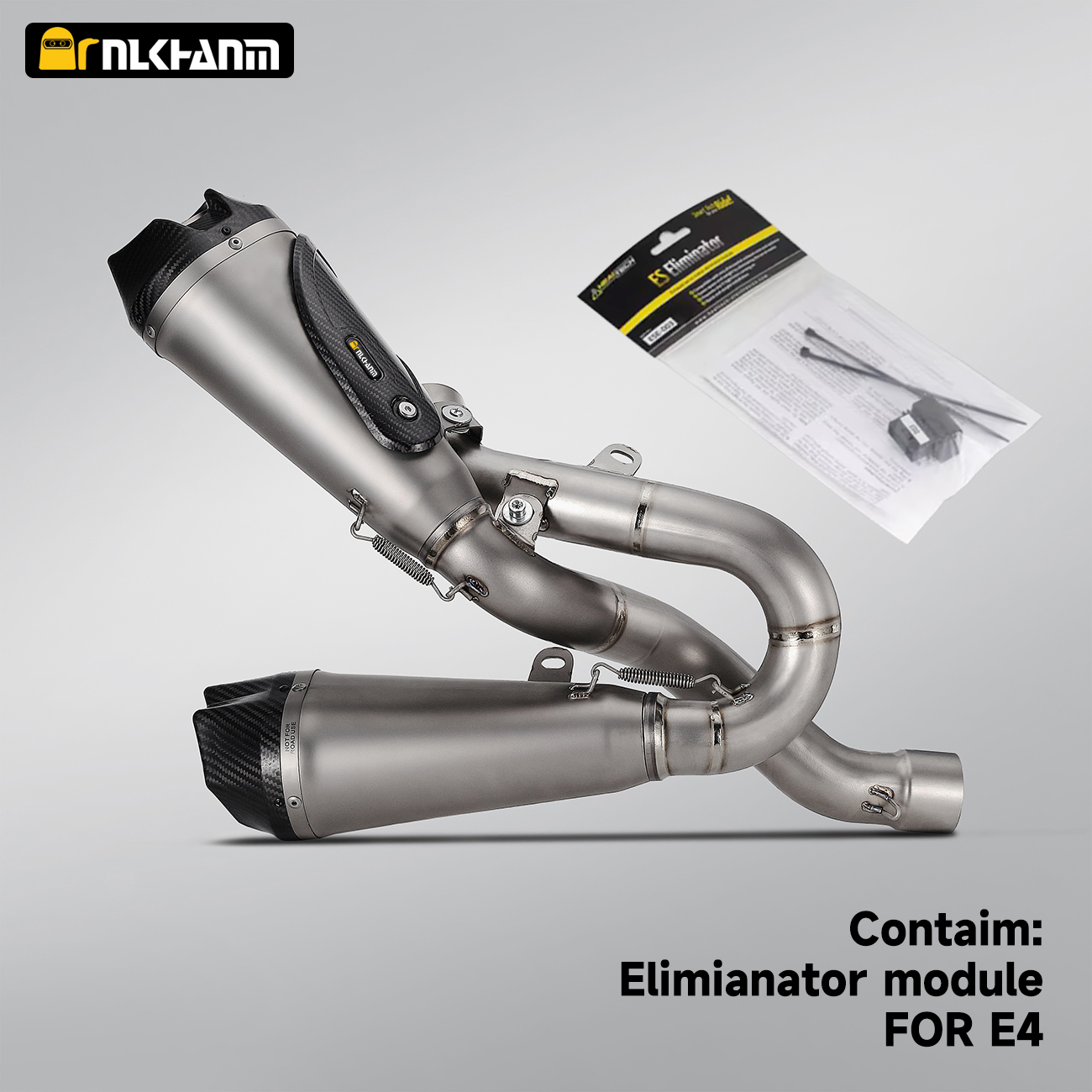
Before you look into aftermarket parts or performance upgrades, you need to know what you are looking at. Most exhaust systems consist of three main components, each playing a distinct role in moving gases away from the engine cylinder.
The Headers
The headers are the first point of contact for exhaust gases leaving the engine. These metal tubes bolt directly to the cylinder head. Their primary job is to collect the hot, rapidly expanding gases and funnel them into a single stream. The design of the headers is crucial for "scavenging," a process that helps pull fresh air and fuel into the cylinder for the next combustion cycle.
The Mid-Pipe
As the name suggests, the mid-pipe connects the headers to the muffler. On modern motorcycles, this section often houses the catalytic converter (the "cat"), which filters out harmful pollutants to meet emission standards. In performance systems, this pipe is often designed to smooth out airflow and reduce backpressure.
The Muffler (Canister)
This is the most visible part of the system, usually located at the rear of the bike. The muffler’s job is to reduce the noise generated by the internal combustion process. Inside, a series of chambers or perforated tubes lined with sound-absorbing material dampen the sound waves. This is also the component most riders swap out first to change the look and sound of their bike.
Slip-On vs. Full System: Which is Right for You?
When upgrading, you generally have two choices: a slip-on exhaust or a full system. This decision usually comes down to your budget, your mechanical skills, and your performance goals.
A slip-on replaces just the muffler and sometimes the mid-pipe. It creates a better sound and look but offers minimal performance gains. A full system replaces everything from the engine block back. This provides maximum power but requires more work and money.
Here is a quick breakdown to help you compare the two options:
Feature | Slip-On Exhaust | Full System Exhaust |
Components Replaced | Muffler (and sometimes mid-pipe) | Headers, mid-pipe, and muffler |
Cost | Lower ($200 - $800) | Higher ($800 - $2,000+) |
Installation Difficulty | Easy (DIY friendly) | Moderate to Advanced |
Performance Gain | Minimal (mostly sound/aesthetics) | Significant (with tuning) |
Weight Reduction | Moderate | Maximum |
Tuning Required? | Usually No | Yes (ECU re-mapping recommended) |
The Benefits of Upgrading
Why do so many riders swap out their stock pipes almost immediately after buying a bike? Stock exhausts are heavily restricted to meet strict government regulations regarding noise and emissions. While they do their job, they often stifle the bike's potential.
Unleashing Performance
An aftermarket motorcycle exhaust system is designed to improve airflow. By reducing backpressure, the engine can expel gases more efficiently. This allows the engine to breathe better, resulting in increased horsepower and torque. While a slip-on might only add a pony or two, a full system combined with a fuel tuner can transform the feel of your throttle response.
Weight Reduction
Stock systems are typically made from thick, heavy steel to ensure durability and keep manufacturing costs low. Aftermarket systems utilize lighter materials like high-grade stainless steel, titanium, or carbon fiber. Dropping 10 to 15 pounds from your bike improves handling, acceleration, and braking.
The Sound
Let’s be honest: sound is a huge factor. Stock exhausts often sound "tinny" or overly muffled. An upgraded system provides a deeper, throatier rumble that many riders crave. It also serves a safety function; a louder bike is more noticeable to drivers in cars who might otherwise not see you.
Choosing the Right Material
If you decide to upgrade, you will face another choice: material. The material of your exhaust affects the weight, durability, heat management, and price tag.
Material | Pros | Cons | Best For |
Stainless Steel | Durable, affordable, resists rust | Heavier than titanium/carbon | Daily riders & budget builds |
Titanium | Extremely lightweight, changes color with heat (blue/purple), high strength | Expensive, can be brittle under extreme vibration | Track bikes & performance seekers |
Carbon Fiber | Lightest option, stays cool to the touch, premium look | Expensive, prone to damage in a crash, sensitive to UV light over time | Sportbikes & aesthetic upgrades |
Aluminum | Lightweight and cheap | Not as strong as steel or titanium, dents easily | entry-level slip-ons |
The Importance of Tuning (ECU Re-mapping)
One common mistake riders make is installing a high-performance full exhaust system without adjusting the bike's fuel management.
Modern motorcycles are equipped with an Electronic Control Unit (ECU) that manages the air-to-fuel ratio. When you install a high-flow exhaust, you drastically change how much air flows through the engine. Without "re-mapping" or "tuning" the ECU, the engine may run too lean (too much air, not enough fuel).
Running an engine lean can cause overheating, popping on deceleration, and in severe cases, internal engine damage. If you opt for a full system, factor the cost of a fuel controller (like a Power Commander) or a professional dyno tune into your budget.
Frequently Asked Questions
Do I need to re-map my bike for a slip-on exhaust?
Generally, no. Most modern bikes can adjust slightly to the minor airflow changes caused by a slip-on muffler. However, if you remove the catalytic converter or install a full system, tuning is highly recommended to prevent engine damage and get the most power.
Is removing the baffle bad for the engine?
Removing the baffle (dB killer) reduces backpressure further and increases noise. On a stock tune, this might make the bike run leaner and could reduce low-end torque, making the bike feel sluggish at low speeds.
Are aftermarket exhausts street legal?
This depends entirely on where you live. Many aftermarket exhausts are sold as "Closed Course Competition Use Only" because they do not meet EPA noise or emission standards. Always check your local laws before installing a system for street use.
Rev Up Your Ride
Your motorcycle exhaust system is a key player in how your bike performs, sounds, and feels. It is the lungs of your machine, and upgrading it is one of the most rewarding changes you can make. Whether you want the featherweight performance of titanium headers or just the deep growl of a carbon fiber slip-on, there is an option out there for every rider.
Just remember to consider your goals. If you want raw power, go for a full system and a tune. If you just want to wake up the neighbors and look good doing it, a slip-on is the way to go. Ride safe, and enjoy the sound of the open road.
Motorcycle Exhaust System
custom exhaust systems motorcycles
custom stainless steel exhaust systems

 English
 العربية
 Français
 Русский
 Español
 Português
 Deutsch
 italiano
 日本語
日本語 한국어
한국어 Nederlands
 Tiếng Việt
 ไทย
ไทย Polski
 Türkçe
 አማርኛ
አማርኛ ພາສາລາວ
 ភាសាខ្មែរ
 Bahasa Melayu
 ဗမာစာ
ဗမာစာ தமிழ்
தமிழ் Filipino
 Bahasa Indonesia
 magyar
 Română
 Čeština
 Монгол
 қазақ
қазақ Српски
 हिन्दी
 Slovenčina
 Norsk
Norsk Svenska
 українська
 Ελληνικά
 Suomi
Suomi עברית
עברית Latine
 Dansk
Dansk বাংলা
বাংলা Hrvatski
 Afrikaans
 Gaeilge
 Māori
Māori नेपाली
 Oʻzbekcha
 Беларуская мова
 ʻŌlelo Hawaiʻi
 íslenska
 Kinyarwanda


