If you're a motorcycle enthusiast, you've probably heard the roar of a bike with an aftermarket exhaust and felt a pang of envy. The sound is often the first thing that draws riders to consider an upgrade, but the benefits of a motorcycle full system exhaust go far beyond just a deeper growl. This modification is one of the most significant performance upgrades you can make, promising more power, less weight, and a completely transformed riding experience.
But what exactly is a full system exhaust, and is it the right choice for your bike and your budget? This guide will walk you through everything you need to know. We'll break down the differences between full systems and slip-on exhausts, explore the key benefits, and provide a step-by-step installation guide. By the end, you'll be equipped with the knowledge to decide if this popular upgrade is worth the investment for you.
What is a Motorcycle Full System Exhaust?
A motorcycle full system exhaust is a complete replacement of your bike’s entire stock exhaust setup. This includes the header pipes (the tubes that connect directly to the engine's cylinders), the mid-pipe (or collector), and the muffler (also known as the silencer or can).
Essentially, it's a ground-up redesign of how your engine expels gases. Manufacturers of high-performance full systems spend considerable time on research and development to optimize gas flow, reduce backpressure, and cut weight. This comprehensive approach is what distinguishes it from a simpler "slip-on" exhaust, which only replaces the muffler.
Full System vs. Slip-On Exhaust
Choosing between a full system and a slip-on often comes down to your goals, budget, and mechanical comfort level. Both can enhance your motorcycle, but they do so in very different ways.
A slip-on exhaust is an entry-level modification that replaces only the final part of your exhaust—the muffler. It's relatively inexpensive, easy to install, and primarily changes the bike's sound and appearance. While you might notice a very minor performance improvement, the main appeal is aesthetic and auditory.
A full system exhaust, on the other hand, is a performance-oriented upgrade. By replacing everything from the engine block back, it is engineered to maximize horsepower and torque. This is achieved by creating a more efficient path for exhaust gases to escape, which allows the engine to breathe more freely.
Here's a quick comparison:
Feature | Slip-On Exhaust | Full System Exhaust |
Components Replaced | Muffler only | Headers, mid-pipe, and muffler |
Primary Benefit | Improved sound and aesthetics | Significant power and torque gains |
Performance Impact | Minimal (1-2 hp) | Major (5-10% hp increase) |
Weight | Minor weight reduction | Substantial weight reduction |
Installation | Simple (usually under an hour) | Complex (may require professional help) |
Cost | $200 - $800 | $800 - $3,000+ |
ECU Remapping | Generally not required | Often necessary for optimal performance |
Ultimately, a slip-on is a great way to dip your toes into customization, while a full system is for the rider serious about unlocking their bike's true potential.
Key Benefits of a Full Exhaust System
Why do riders invest significant time and money into a full system exhaust? The advantages are compelling and can fundamentally change how your motorcycle performs and feels on the road or track.
1. Increased Horsepower and Torque
The number one reason to install a full system exhaust is for the performance boost. Stock exhausts are often designed to meet strict noise and emissions regulations, which creates compromises that can restrict engine performance. They introduce significant backpressure, which is the force required to push exhaust gases out of the engine.
A well-designed motorcycle full system exhaustminimizes this backpressure. The pipes are typically wider, smoother, and follow a more direct path, allowing gases to flow out with less resistance. This improved "scavenging" effect helps the engine run more efficiently, resulting in a noticeable increase in both horsepower and torque across the rev range. It's not uncommon to see a 5-10% power gain, which is a substantial improvement you can feel every time you twist the throttle.
2. Significant Weight Reduction
Motorcycle manufacturers often use heavy-duty, inexpensive materials like steel for stock exhaust systems. They also have to incorporate bulky catalytic converters and sound-dampening chambers to meet legal requirements.
Aftermarket full systems, in contrast, are typically crafted from lightweight materials like titanium, carbon fiber, or high-grade stainless steel. By shedding the heavy stock components, a full system can reduce your bike's overall weight by anywhere from 4 to 9 kg (10-20 lbs). This reduction in unsprung weight improves handling, acceleration, and braking, making your bike feel more agile and responsive.
3. Enhanced Sound and Aesthetics
Let's be honest—sound matters. A full system exhaust gives your motorcycle a deeper, more aggressive, and race-inspired tone that a slip-on can rarely replicate. The sound isn't just louder; it's a more refined and purposeful roar that reflects the engine's newfound power.
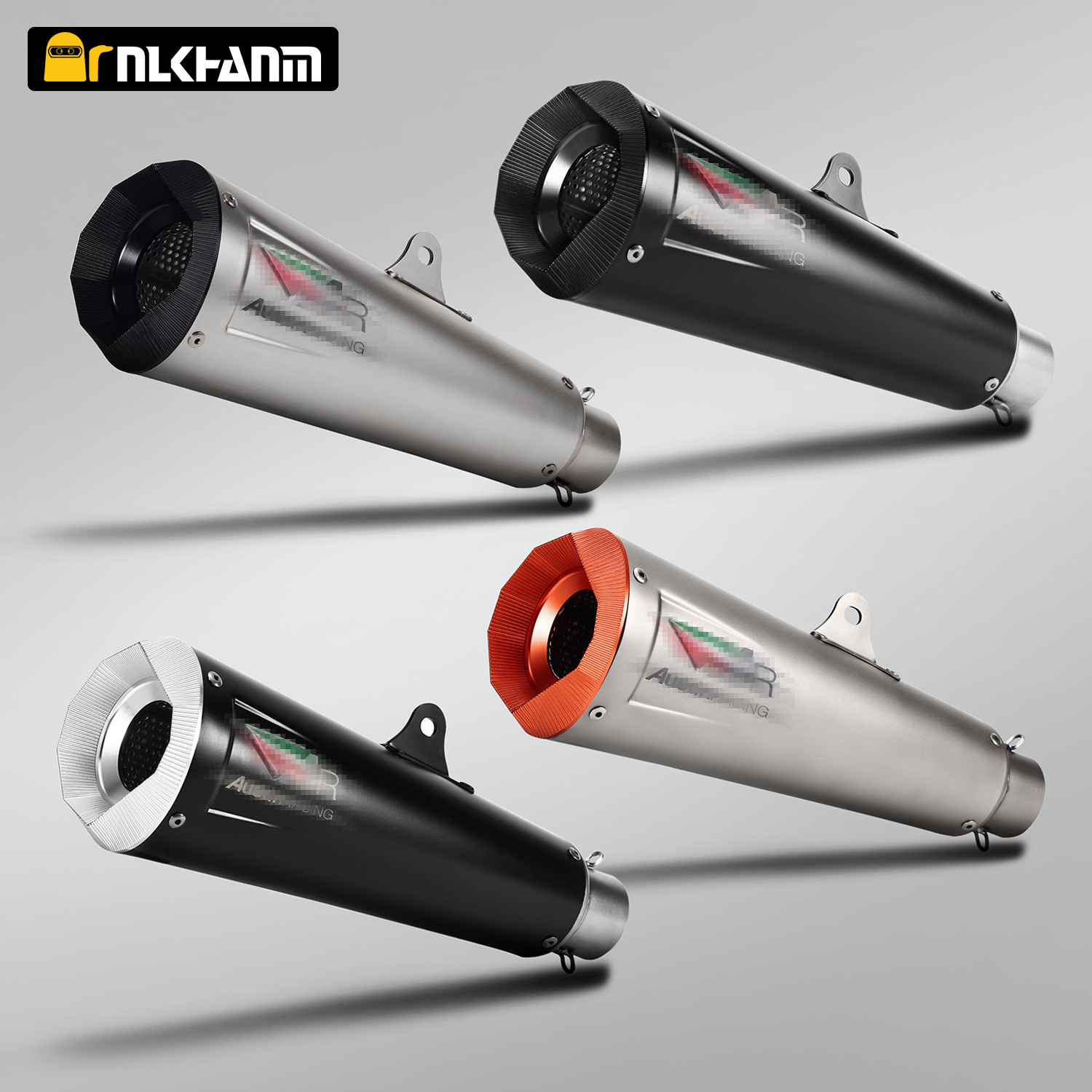
Beyond the sound, a full system offers a major visual upgrade. With sleek designs, premium materials, and beautiful weld lines, an aftermarket system can transform the look of your bike, giving it a customized, high-performance aesthetic that sets it apart from stock models.
Potential Drawbacks and Considerations
While the benefits are significant, installing a full system exhaust isn't without its challenges. It's important to be aware of the potential downsides before committing.
ECU Tuning and Fuel Management
Changing the entire exhaust system drastically alters the air-to-fuel ratio your engine needs to run optimally. With improved exhaust flow, the engine can expel more air, which means it also needs more fuel. Without adjusting the Engine Control Unit (ECU), your bike will likely run "lean" (too much air, not enough fuel). This can lead to poor performance, engine hesitation, and even long-term engine damage from overheating.
To correct this, you will almost certainly need to remap your ECU or install a fuel controller like a Power Commander. This adds to the overall cost and complexity of the installation but is crucial for harnessing the full potential of your new exhaust and ensuring your engine's health.
Cost and Installation Complexity
Full system exhausts represent a significant financial investment. High-quality systems from reputable brands like Akrapovič, Yoshimura, or SC-Project can cost well over $1,500. When you factor in the cost of a fuel controller and professional installation or ECU tuning, the total can easily exceed $2,000.
The installation process is also far more involved than a slip-on. It requires removing fairings, unbolting the old system from the engine head, and carefully fitting the new components. While it's a manageable job for an experienced home mechanic, novices may want to budget for professional installation to avoid leaks or damage.
Legal and Warranty Issues
Many aftermarket full systems are designated "for race use only" because they remove the catalytic converter and do not meet public road noise or emissions standards. Depending on your local laws, installing one could make your bike illegal for street use. Always check your local regulations before making a purchase.
Additionally, installing a full system exhaust could void your motorcycle's factory warranty, particularly for any parts related to the engine or powertrain. It's wise to consult your dealer or warranty documentation to understand the potential implications.
Is a Full System Exhaust Right for You?
Deciding whether to upgrade to a motorcycle full system exhaust is a personal choice that depends on your riding style, goals, and budget.
Consider a full system if:
You are a performance-focused rider who wants to maximize your bike's power and handling.
You participate in track days or racing where every ounce of performance counts.
You are willing to invest in proper ECU tuning to ensure optimal and safe engine operation.
You want the most aggressive sound and a high-end, custom look for your bike.
A slip-on or the stock exhaust might be a better choice if:
You are primarily a street rider who is happy with your bike's current performance.
Your main goal is to improve the sound and look of your bike on a limited budget.
You prefer a simple, DIY modification that doesn't require complex tuning.
You are concerned about voiding your warranty or violating local noise and emissions laws.
A full system exhaust is a serious upgrade for a serious rider. It offers transformative gains in power, weight, and sound, but it demands a significant investment of time and money to do it right. By weighing the pros and cons outlined in this guide, you can make an informed decision and choose the path that best suits your two-wheeled journey.
Frequently Asked Questions
Do I need to remap my ECU after installing a full exhaust?
Yes, in almost all cases. A full exhaust system significantly changes your engine's airflow, requiring an adjustment to the fuel map to prevent running lean. An ECU remap or a fuel controller is essential for optimal performance and engine longevity.
Can a full exhaust system damage my engine?
If installed without proper fuel management, yes. Running an engine too lean can cause it to overheat, leading to detonation and potentially severe damage to pistons and valves. With proper tuning, however, a full system is perfectly safe.
How much horsepower will a full exhaust system add?
The exact gains vary depending on the motorcycle model and the exhaust brand, but a 5-10% increase in peak horsepower is a reasonable expectation. For a 150 hp bike, that could mean an extra 7-15 horsepower.
Is a full system exhaust louder than a slip-on?
Generally, yes. Because a full system removes the catalytic converter and often uses less restrictive mufflers, it produces a louder and deeper sound than most slip-on options. Many systems come with a removable baffle (dB killer) to help moderate the volume for street use.
motorcycle full system exhaust
custom exhausts near me
custom exhaust pipes

 English
 العربية
 Français
 Русский
 Español
 Português
 Deutsch
 italiano
 日本語
日本語 한국어
한국어 Nederlands
 Tiếng Việt
 ไทย
ไทย Polski
 Türkçe
 አማርኛ
አማርኛ ພາສາລາວ
 ភាសាខ្មែរ
 Bahasa Melayu
 ဗမာစာ
ဗမာစာ தமிழ்
தமிழ் Filipino
 Bahasa Indonesia
 magyar
 Română
 Čeština
 Монгол
 қазақ
қазақ Српски
 हिन्दी
 Slovenčina
 Norsk
Norsk Svenska
 українська
 Ελληνικά
 Suomi
Suomi עברית
עברית Latine
 Dansk
Dansk বাংলা
বাংলা Hrvatski
 Afrikaans
 Gaeilge
 Māori
Māori नेपाली
 Oʻzbekcha
 Беларуская мова
 ʻŌlelo Hawaiʻi
 íslenska
 Kinyarwanda


