Your car's exhaust system is more complex than you might think, and one of its most critical components is the muffler. While many drivers know the muffler keeps their car quiet, its role in vehicle performance and efficiency is often overlooked. Understanding how muffler exhaust pipes work is key to maintaining your car's health and ensuring it runs smoothly.
This guide will explain the function of muffler exhaust pipes, the different types available, and the signs that indicate it might be time for a replacement. Whether you're a car enthusiast looking to upgrade your vehicle's performance or a daily driver wanting to keep your car in top condition, this article will provide the essential information you need. We'll cover everything from how they manage engine noise to their impact on fuel economy, helping you make informed decisions about your car's exhaust system.
The Role of the Exhaust System
Before focusing on the muffler, it's helpful to understand the entire exhaust system's job. When your engine burns fuel, it produces a mixture of harmful gases and sound waves. The primary function of the exhaust system is to safely channel these gases away from the engine and the vehicle's cabin, while also minimizing noise and reducing harmful emissions.
An exhaust system is typically composed of several key parts:
◇Exhaust Manifold: This is the first stop for exhaust gases leaving the engine's cylinders. It collects the gases from multiple cylinders into one pipe.
◇Catalytic Converter: Positioned after the manifold, this component converts toxic pollutants like carbon monoxide and nitrogen oxides into less harmful substances, such as carbon dioxide and water vapor.
◇Resonator: Often found before the muffler, the resonator targets and cancels out specific sound frequencies, reducing the droning noise you might hear at certain speeds.
◇Muffler: This is the main component responsible for silencing the loud combustion noises produced by the engine.
◇Exhaust Pipes: These pipes connect all the components and provide a path for the exhaust gases to travel from the engine to the tailpipe.
◇Tailpipe: The final section of the system, where the filtered and silenced exhaust gases are released into the atmosphere.
Each part works in concert to ensure your vehicle operates cleanly, quietly, and efficiently.
How Do Muffler Exhaust Pipes Work?
The muffler is essentially a sound-dampening device. The extreme noise from the engine's combustion process enters the muffler and is significantly reduced before exiting the tailpipe. So, how does it accomplish this?
Inside a muffler, you'll find a cleverly designed series of tubes, chambers, and baffles. These elements are engineered to create destructive interference. As sound waves travel through the muffler, they are forced to bounce around and reflect off various surfaces. This process causes the sound waves to collide and cancel each other out, which dramatically reduces the overall noise level.
Think of it like yelling into a series of pillows. Each pillow absorbs some of the sound, and by the time it passes through all of them, the noise is much quieter. Mufflers use a more scientific approach with acoustics, but the principle is similar.
There are several different designs for mufflers, each offering a unique balance between sound reduction, performance, and cost.
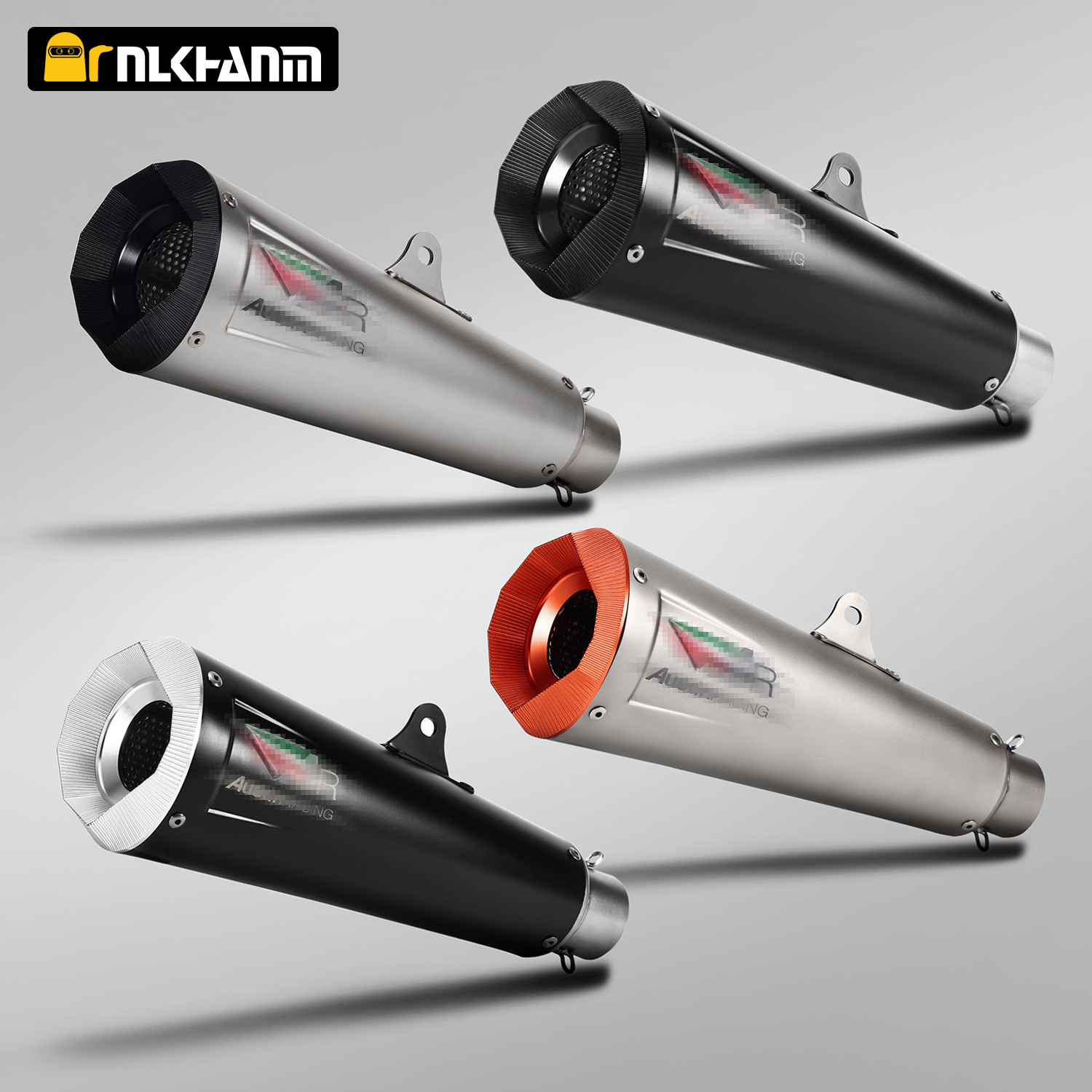
Types of Mufflers
Not all mufflers are created equal. The type you choose can have a significant impact on your car's sound, performance, and fuel efficiency. Here are the most common types of muffler exhaust pipes.
Chambered Mufflers
Chambered mufflers are a popular choice, especially in the muscle car community. They use a series of chambers of different sizes to bounce sound waves against each other, creating the cancellation effect. This design is effective at reducing noise while producing a distinct, deep, and aggressive exhaust note that many performance enthusiasts crave. However, the complex internal path can create some backpressure, which may slightly restrict exhaust flow and engine performance compared to other designs.
Turbo Mufflers
Despite the name, turbo mufflers are not exclusively for turbocharged vehicles. They are a type of restrictive muffler, meaning they prioritize noise reduction over maximum exhaust flow. They use an S-shaped path for the exhaust gases to travel through, which is very effective at dampening sound. This design results in a quieter ride, making them a common choice for standard passenger cars. The trade-off is higher backpressure, which can limit engine power.
Straight-Through Mufflers
Also known as "glasspack" or "absorptive" mufflers, straight-through designs are all about performance. They feature a perforated pipe that runs straight through the muffler casing. This pipe is wrapped in sound-absorbing material, typically fiberglass or steel wool.
As exhaust gases flow directly through the pipe, the sound waves escape through the perforations and are absorbed by the surrounding material. This design offers the least resistance, maximizing exhaust flow and boosting engine horsepower. The result is a much louder, more aggressive exhaust sound. These are a favorite among racers and those looking to get the most power out of their engine.
Baffled Mufflers
This type is often found in motorcycles but is also used in some cars. Baffled mufflers use a series of plates (baffles) to disrupt the flow of exhaust gases and sound waves. While effective at reducing noise, this design creates significant backpressure, which can hinder engine performance. They are less common in modern cars due to their restrictive nature.
Muffler Type | Sound Level | Performance | Common Use |
Chambered | Moderate to Loud | Good | Muscle cars, Performance vehicles |
Turbo | Quiet | Moderate | Standard passenger cars, Family vehicles |
Straight-Through | Very Loud | Excellent | Racing, High-performance vehicles |
Baffled | Quiet to Moderate | Fair | Motorcycles, some older cars |
Signs You Need a New Muffler
Like any other part of your car, the muffler will eventually wear out. It's exposed to high temperatures, moisture, and road salt, all of which contribute to corrosion. Here are some common signs that your muffler exhaust pipes may need to be replaced:
◇Loud Noises: The most obvious sign is a sudden increase in engine noise. If your car starts sounding like a race car overnight, you likely have a hole or a crack in your muffler or exhaust pipe.
◇Visible Rust or Holes: A quick visual inspection can reveal a lot. Look for significant rust, cracks, or holes in the muffler casing or connecting pipes.
◇Rattling Sounds: If you hear a rattling noise coming from underneath your car, it could mean that the internal baffles or chambers inside the muffler have broken loose.
◇Decreased Fuel Efficiency: A damaged or clogged muffler can create excessive backpressure, forcing your engine to work harder. This can lead to a noticeable drop in your gas mileage.
◇Foul Odors: If you smell exhaust fumes inside your car's cabin, it's a serious safety concern. This indicates a leak in the exhaust system that needs to be repaired immediately.
Frequently Asked Questions
Is it illegal to drive without a muffler?
In most places, yes. Vehicle regulations almost universally require a functional muffler to keep noise levels within acceptable limits. Driving without one can result in hefty fines and a failed vehicle inspection.
Can a new muffler improve my car's performance?
It depends. If you're upgrading from a restrictive stock muffler to a high-performance, straight-through model, you can expect a modest increase in horsepower and torque. However, simply replacing a worn-out muffler with a similar stock model will likely just restore its original performance level.
How much does it cost to replace a muffler?
The cost can vary widely depending on your vehicle's make and model, the type of muffler you choose, and labor rates in your area. A simple replacement on a standard car might cost a few hundred dollars, while a full custom exhaust system on a high-performance vehicle could run into the thousands.
Keeping Your Exhaust System Healthy
Your muffler exhaust pipes are more than just noise-control devices; they are an integral part of your vehicle's performance, efficiency, and safety. By understanding how they work and recognizing the signs of wear, you can ensure your car runs smoothly for years to come.
If you suspect an issue with your exhaust system, don't hesitate to have it inspected by a qualified mechanic. Addressing problems early can prevent more costly repairs down the road and keep you safe on your travels. Whether you want a quiet ride or a powerful roar, choosing the right muffler is a decision that will directly impact your driving experience.
muffler exhaust pipes
exhaust pipe muffler
exhaust pipe and muffler

 English
 العربية
 Français
 Русский
 Español
 Português
 Deutsch
 italiano
 日本語
日本語 한국어
한국어 Nederlands
 Tiếng Việt
 ไทย
ไทย Polski
 Türkçe
 አማርኛ
አማርኛ ພາສາລາວ
 ភាសាខ្មែរ
 Bahasa Melayu
 ဗမာစာ
ဗမာစာ தமிழ்
தமிழ் Filipino
 Bahasa Indonesia
 magyar
 Română
 Čeština
 Монгол
 қазақ
қазақ Српски
 हिन्दी
 Slovenčina
 Norsk
Norsk Svenska
 українська
 Ελληνικά
 Suomi
Suomi עברית
עברית Latine
 Dansk
Dansk বাংলা
বাংলা Hrvatski
 Afrikaans
 Gaeilge
 Māori
Māori नेपाली
 Oʻzbekcha
 Беларуская мова
 ʻŌlelo Hawaiʻi
 íslenska
 Kinyarwanda


