There is a specific feeling every motorcyclist knows. It’s that moment you walk into the garage, hit the lights, and see the gleam of your bike reflecting back at you. It’s a moment of pride. But nothing ruins that moment faster than looking down at your exhaust pipes and seeing dull, blueing, or rust-spotted metal instead of a mirror finish.
Exhaust pipes take a beating. They are subjected to extreme heat cycles, road debris, rain, and sometimes road salt. This harsh environment makes them the most vulnerable part of your motorcycle's aesthetic. Neglecting them doesn't just look bad; it can lead to permanent damage that requires expensive replacements.
Many riders struggle with the balance of maintenance. Polish too often, and you might feel like you're wasting time that could be spent riding. Polish too rarely, and you risk irreversible pitting and corrosion. The answer to "how often" isn't a single number—it depends on how you ride, where you ride, and how you store your machine.
This guide will break down the variables to help you establish a routine that keeps your ride looking showroom-ready without keeping you off the road for hours every weekend.
The Science Behind the Shine (and the Grime)
Before establishing a schedule, it helps to understand what you are fighting against. Chrome plating is durable, but it is not invincible. The primary enemy of your exhaust pipes is heat. As your engine runs, the exhaust gases heat the metal pipes. This extreme heat causes the metal to expand and creates a chemical reaction on the surface known as oxidation. On chrome, this often manifests as "blueing"—a discoloration that starts near the engine manifold where the heat is most intense.
Beyond heat, your pipes are essentially magnets for road grime. Tar, bugs, and oil splatters bake onto the hot surface, creating a hardened layer of filth that soap and water simply cannot remove. If you live in coastal areas or regions where roads are salted in winter, you have an even more aggressive enemy: corrosion. Salt eats through chrome plating, leading to pitting and rust that eventually compromises the structural integrity of the pipe.
Factors That Dictate Your Polishing Schedule
Since every rider's situation is unique, a "one size fits all" rule rarely works. You need to assess your specific riding habits to determine the right frequency for using chrome polish on motorcycle exhaust pipes.
1. Riding Frequency and Distance
The daily commuter faces a different battle than the Sunday fair-weather rider. Daily commuting exposes your bike to varied pollutants and constant heat cycles. If you ride every day, grime builds up faster. Conversely, if your bike sits for weeks under a cover, it might be safe from road tar, but it is still susceptible to moisture in the air which can cause rust if the chrome isn't protected.
2. Environmental Conditions
Where you live matters immensely. Riders in dry, arid climates like Arizona have it easier than those in humid Florida or rainy Seattle. Moisture accelerates oxidation. If you ride near the ocean, the salt spray in the air is corrosive. In these environments, polishing isn't just about aesthetics; it is a protective barrier against the elements.
3. Storage
A bike stored in a climate-controlled garage requires significantly less maintenance than one parked on the street under a tarp. Temperature fluctuations in outdoor storage cause condensation to form on the metal, which can sit on the chrome and eat away at it over time.
Recommended Maintenance Schedules
To simplify things, we have broken down recommended polishing frequencies based on typical rider profiles. Find the one that matches you best.
Rider Profile | Typical Conditions | Recommended Cleaning | Recommended Polishing |
The Daily Commuter | Rain or shine, heavy traffic, city grime. | Weekly wash with soap/water. | Every 2-3 months. |
The Weekend Warrior | Sunny days only, mostly highways/backroads. | Wash after long trips. | Every 4-6 months. |
The Coastal Rider | High humidity, salt air exposure. | Rinse after every ride. | Monthly. |
The Show Bike | Rarely ridden, climate-controlled storage. | Dusting as needed. | Twice a year (maintenance). |
The Adventure Rider | Mud, dirt, water crossings. | Wash immediately after rides. | Every 3 months (heavy duty). |
Signs Your Exhaust Needs Immediate Attention
Regardless of the schedule above, your bike will tell you when it needs love. You shouldn't wait for a calendar reminder if you see specific warning signs.
Discoloration: If you notice gold or blue hues forming, particularly near the header, it is time to break out the polish. While some blueing is inevitable on single-wall pipes, regular polishing can minimize it and remove the surface-level oxidation.
Dullness: Chrome should act like a mirror. If the reflection looks hazy or cloudy, micro-scratches and oxidation are forming. A quick polish will restore the depth of the shine.
Rough Texture: Run your hand (when the bike is cold!) along the pipe. If it feels gritty like sandpaper, you have bonded contaminants. This requires a thorough cleaning and polishing to remove the embedded dirt before it causes pitting.
The Right Way to Polish Chrome
Knowing how often to chrome polish motorcycle exhaust pipes is half the battle; knowing how to do it correctly is the rest. Using the wrong technique can actually scratch the chrome, leaving swirl marks that are difficult to remove.
Preparation is Key
Never apply polish to a dirty pipe. You must wash the exhaust thoroughly with automotive soap and water first to remove loose dirt and grit. If you rub polish onto a gritty surface, you are essentially sanding your chrome with the dirt particles.
Application
Apply a high-quality chrome polish to a soft microfiber cloth or a dedicated applicator pad. Work in small sections, using circular motions. You will see the polish turn black—this is normal; it means the oxidation is coming off.
Buffing
Once the polish has hazed over (check the bottle instructions, as some require immediate removal), buff it off with a clean, dry microfiber towel. Flip the towel often to ensure you are always using a clean side.
Chrome vs. Stainless Steel vs. Titanium
It is important to note that not all silver pipes are chrome. Many modern high-performance bikes, like the Yamaha R1 or Ducati Panigale, often utilize stainless steel or titanium exhaust systems for weight reduction and performance.
Stainless Steel: This material is more resistant to rust than chrome but tends to turn a golden-brown color with heat. While you can polish it, it won't achieve the same mirror-like "blue" reflection as chrome. It requires a specific metal polish designed for harder metals.
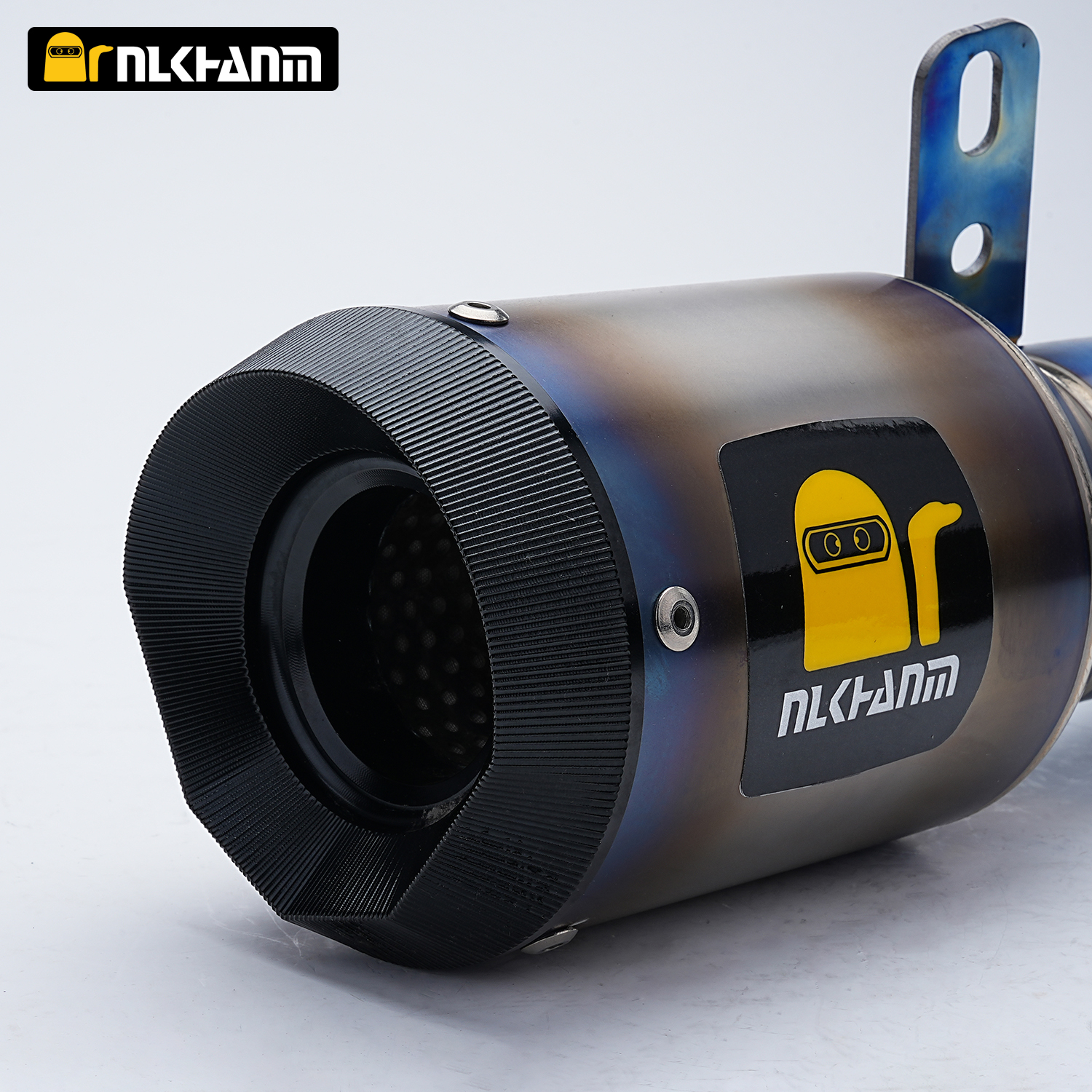
Titanium: Known for its signature purple/blue heat stain, titanium is often prized for this discoloration. However, it still needs cleaning. Avoid abrasive chrome polishes on titanium as they can ruin the finish.
Carbon Fiber: Often found on mufflers rather than the full pipe, carbon fiber requires zero polishing. In fact, polish can ruin the clear coat. Clean these with mild soap and water only.
If you find that your current exhaust system is beyond saving—perhaps the rust is too deep or the metal is fatigued—it might be time for an upgrade. Companies like Nlkhanm specialize in aftermarket exhaust systems for major brands like Yamaha, Kawasaki, and Honda. Switching to a new stainless steel or titanium system can not only solve your aesthetic problems but also reduce weight and improve the sound profile of your machine.
When Polishing Isn't Enough
Sometimes, no amount of elbow grease will bring a pipe back to life. If you see flaking chrome, deep rust pits that catch your fingernail, or cracks in the metal, polishing is a band-aid on a bullet wound.
In these cases, you have two options: re-chroming or replacing. Re-chroming is an expensive and time-consuming process that involves stripping the old layers and chemically bonding new ones. For many riders, purchasing a new aftermarket slip-on or full system is more cost-effective. Modern manufacturing has made high-quality exhausts, like those from Nlkhanm, accessible upgrades that offer better durability than many stock options.
Frequently Asked Questions
Can I use steel wool to clean my chrome pipes?
You should be very careful with steel wool. Only use the finest grade (#0000) steel wool and use it with plenty of lubricant (like the polish itself). Using anything coarser will scratch the chrome permanently. Never use steel wool on stainless steel or titanium.
Does exhaust wrap help protect the chrome?
Exhaust wrap is designed to keep heat in to improve performance and protect the rider's legs. However, it can actually trap moisture against the pipe, accelerating rust. If you wrap chrome pipes, expect them to be ruined underneath if you ever remove the wrap.
How do I prevent my pipes from turning blue?
Blueing is a natural reaction of chrome to extreme heat. You can minimize it by ensuring your engine is tuned correctly (lean engines run hotter) and by keeping the inside of the pipes free of carbon buildup. However, single-wall chrome pipes will almost always blue eventually.
Is ceramic coating better than polishing?
Ceramic coating is a great preventative measure. It creates a hard, heat-resistant layer over the chrome that repels dirt and water. While it doesn't replace cleaning, it significantly reduces how often you need to polish.
Keep Your Ride Shining for the Long Haul
Your motorcycle is more than just a collection of parts; it is an extension of your personality. The exhaust pipes are often the visual centerpiece of the bike, drawing the eye with their lines and shine. By understanding the enemies of your chrome—heat, salt, and grime—and sticking to a maintenance schedule that fits your riding lifestyle, you can ensure that your bike always looks as good as it rides.
Routine maintenance is far easier than restoration. A ten-minute polish once a month is a small price to pay to avoid the headache of rust removal or the cost of a full system replacement later down the road. So grab a rag, grab your polish, and give your bike the attention it deserves.
chrome polish motorcycle exhaust pipes
chrome motorcycle exhaust pipe
chrome exhaust pipes for motorcycles

 English
 العربية
 Français
 Русский
 Español
 Português
 Deutsch
 italiano
 日本語
日本語 한국어
한국어 Nederlands
 Tiếng Việt
 ไทย
ไทย Polski
 Türkçe
 አማርኛ
አማርኛ ພາສາລາວ
 ភាសាខ្មែរ
 Bahasa Melayu
 ဗမာစာ
ဗမာစာ தமிழ்
தமிழ் Filipino
 Bahasa Indonesia
 magyar
 Română
 Čeština
 Монгол
 қазақ
қазақ Српски
 हिन्दी
 Slovenčina
 Norsk
Norsk Svenska
 українська
 Ελληνικά
 Suomi
Suomi עברית
עברית Latine
 Dansk
Dansk বাংলা
বাংলা Hrvatski
 Afrikaans
 Gaeilge
 Māori
Māori नेपाली
 Oʻzbekcha
 Беларуская мова
 ʻŌlelo Hawaiʻi
 íslenska
 Kinyarwanda


