You are here:Home / News / What Is a Cat-Back Exhaust? A Guide to Motorcycle Exhaust Upgrades
What Is a Cat-Back Exhaust? A Guide to Motorcycle Exhaust Upgrades
Views: 0 Author: Site Editor Publish Time: 2026-09-16 Origin: Site
A cat-back exhaust refers to the section of an exhaust system located after (or "behind") the catalytic converter, typically including the mid-pipe and muffler. On motorcycles, this concept usually applies to the slip-on or mid-section of a full exhaust system. Upgrading this section with materials like titanium alloy or carbon fiber can reduce weight, improve sound, and enhance performance without replacing the entire exhaust.
If you've spent any time researching motorcycle exhaust systems, you've probably run into the term "cat-back exhaust." It's a phrase borrowed from the automotive world, but it applies to bikes too, especially as more riders look to customize their exhaust setups for better performance, sound, and style.
This guide breaks down what a cat-back exhaust actually is, how it compares to a full exhaust system, and what to consider when shopping for custom motorcycle exhaust pipes. Whether you're chasing a deeper growl, shaving off unnecessary weight, or simply refreshing your bike's look, understanding your options makes all the difference.
What Is a Cat-Back Exhaust System?
A cat-back exhaust system includes every component located after the catalytic converter, running through the mid-pipe and out through the muffler. On a motorcycle, this generally corresponds to the mid-link pipe and slip-on muffler, rather than the header or front pipe closest to the engine.
Because a cat-back exhaust doesn't touch the catalytic converter itself, it's often considered one of the more accessible upgrades for riders. It allows for meaningful changes in sound and weight without altering the emissions-critical portion of the exhaust system.
How Does a Cat-Back Exhaust Differ From a Full Exhaust System?
A full exhaust system replaces everything from the header pipe (closest to the engine) all the way to the muffler outlet. A cat-back exhaust, by contrast, only replaces the sections after the catalytic converter or mid-pipe.
Cat-back exhaust: Covers the mid-pipe and muffler. Easier to install, generally more affordable.
Full exhaust system: Covers the header, mid-pipe, and muffler. Offers the largest performance and weight gains, but costs more and requires more extensive installation.
Choose a cat-back exhaust if you want a noticeable sound and weight improvement without a full system overhaul. Choose a full exhaust system if you're chasing maximum performance gains and don't mind the added cost.
What Materials Are Used in Custom Motorcycle Exhaust Pipes?
Material choice has a major impact on weight, durability, sound, and price. The three most common materials in motorcycle exhaust manufacturing are titanium alloy, carbon fiber, and stainless steel.
Material
Weight
Durability
Sound Character
Typical Price Range
Titanium Alloy
Very light
High heat resistance, corrosion-resistant
Sharp, aggressive tone
Higher
Carbon Fiber
Extremely light
Good, but less heat-tolerant than titanium
Deep, resonant tone
Mid to high
Stainless Steel
Heavier
Very durable, budget-friendly
Balanced, deeper tone
Lower to mid
Titanium exhaust systems are popular among performance riders because they combine strength with significant weight savings. For example, a titanium alloy exhaust built for the Yamaha MT-09 FZ-09 weighs around 2.5kg, considerably lighter than a comparable stainless steel unit. Similarly, a titanium muffler designed for Performance V4 applications, built with a carbon fiber insulation board, weighs just 1kg, illustrating how far weight savings can go when titanium and carbon fiber are combined.
What Are the Benefits of Upgrading to a Custom Exhaust?
Riders upgrade their exhaust for a mix of performance, aesthetic, and personal reasons. The most common benefits include:
Reduced weight: Lighter materials like titanium and carbon fiber shave pounds off the rear of the bike, which can improve handling.
Improved sound: Aftermarket mufflers often deliver a deeper or more aggressive exhaust note compared to stock systems.
Better heat dissipation: Titanium alloy handles high temperatures more effectively than standard steel, reducing long-term wear.
Custom fitment: Many exhaust for motorcycles options are built for specific models, like the Kawasaki Ninja H2 and H2R, ensuring a precise fit rather than a generic one.
How Do You Choose the Right Motorcycle Exhaust Manufacturer?
Not all motorcycle exhaust manufacturers offer the same level of quality control, material sourcing, or fitment accuracy. When evaluating a manufacturer, consider the following:
Model-specific fitment: A manufacturer offering dedicated systems for models like the Yamaha MT-09, Kawasaki Ninja H2/H2R, or Performance V4 platforms shows a higher level of engineering precision than a one-size-fits-all approach.
Material transparency: Reputable manufacturers clearly state whether a product uses titanium alloy, carbon fiber, or stainless steel, along with weight specifications.
Quality control process: Look for manufacturers that perform pre-production sampling and final inspection before shipment, a standard practice among established exhaust producers.
Track record: Manufacturers with a long history in the industry, such as those operating since 2016 with dedicated production teams, tend to offer more consistent quality across product lines.
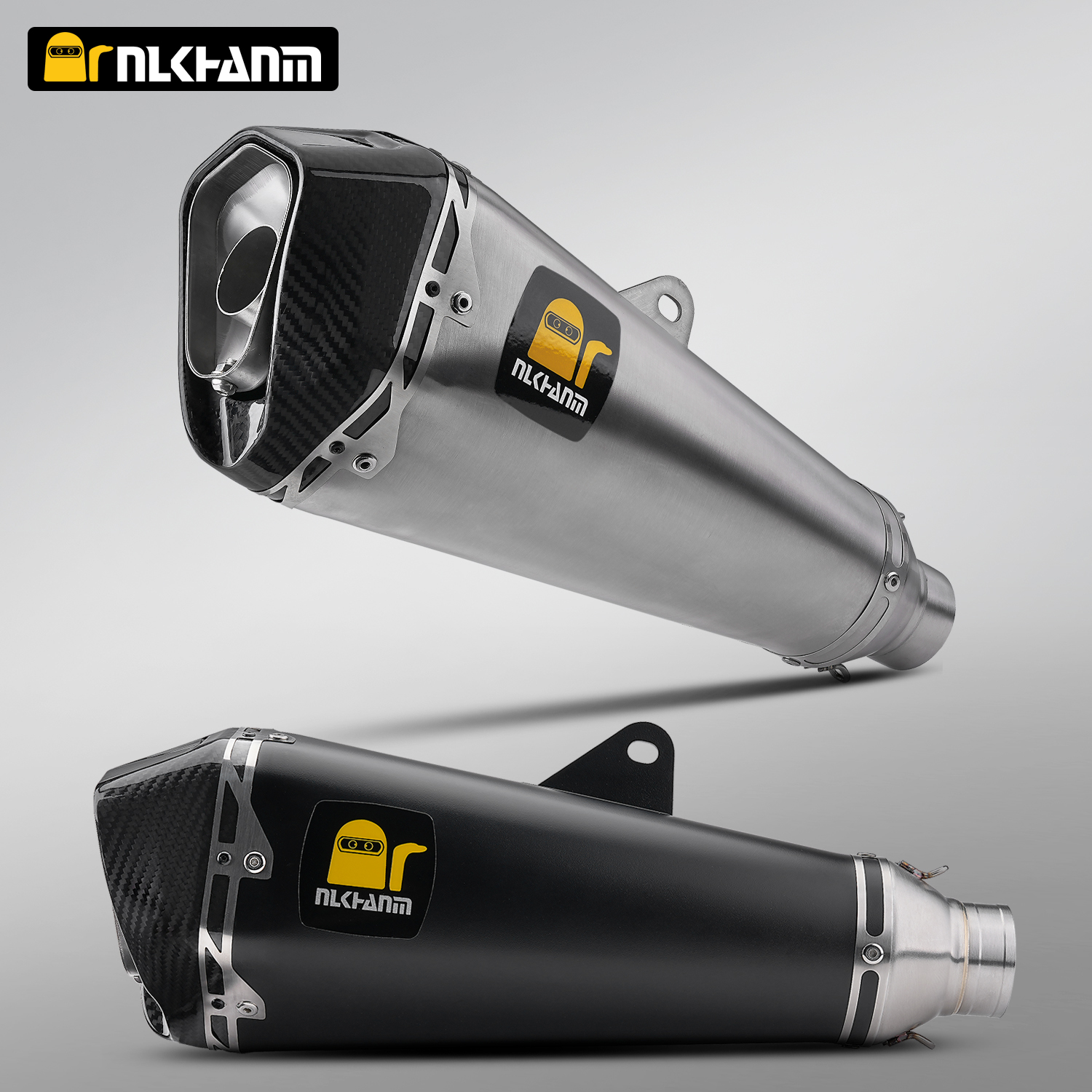
For example, NlkHanm, a China-based motorcycle exhaust manufacturer, produces titanium alloy systems for specific platforms like the Yamaha MT-09/FZ-09 and Kawasaki Ninja H2/H2R, alongside carbon fiber muffler options for platforms such as the Performance V4. This kind of model-specific catalog is a good sign that a manufacturer understands the engineering demands of custom motorcycle exhaust pipes.
What Should You Look for in Exhaust Pipes for Motorcycles?
Before buying exhaust pipes for motorcycles, weigh these practical factors:
Compatibility: Confirm the exhaust is built for your exact make, model, and year range.
Weight specifications: Compare listed weights across titanium, carbon fiber, and stainless steel options to understand the real-world difference.
Warranty terms: Many performance exhausts exclude damage from improper installation or accidents, so review warranty language carefully.
Packaging and shipping: Boxed, well-packaged units reduce the risk of shipping damage, particularly for lightweight carbon fiber components.
Finding the Right Exhaust for Your Ride
A cat-back exhaust upgrade offers a practical middle ground between a full system replacement and a stock setup. It won't change everything about your bike's performance, but it can meaningfully improve weight, sound, and heat management, particularly when built from titanium alloy or carbon fiber.
Before making a purchase, compare specifications across manufacturers, confirm the fitment for your specific model, and decide whether a cat-back exhaust or a full system fits your goals and budget. If you're just starting your search, model-specific product lines for platforms like the MT-09, Ninja H2, and Performance V4 are a good place to see what's currently available.
Frequently Asked Questions
Is a cat-back exhaust legal for motorcycles? Legality depends on local emissions and noise regulations. Because a cat-back exhaust doesn't remove the catalytic converter, it's generally more compliant than a full system that bypasses emissions equipment, but riders should verify local laws before installing one.
How much does a custom motorcycle exhaust cost? Prices vary widely based on material and brand. Stainless steel options tend to be the most affordable, while titanium alloy and carbon fiber systems command higher prices due to their weight savings and heat resistance.
Will a cat-back exhaust void my motorcycle's warranty? It can, depending on the manufacturer and the terms of your bike's warranty. Many aftermarket exhausts also carry their own warranty exclusions for damage unrelated to manufacturing defects.
What's the difference between titanium and carbon fiber exhaust systems? Titanium alloy offers superior heat resistance and durability, while carbon fiber is lighter but less heat-tolerant on its own. Many manufacturers combine both materials, using titanium for the core structure and carbon fiber for insulation or outer sleeves.
Can I install a cat-back exhaust myself? Many slip-on and mid-pipe systems are designed for straightforward installation, but fitment and torque specifications vary by model. Reviewing manufacturer instructions or consulting a mechanic is recommended for a proper fit.

 English
 العربية
 Français
 Русский
 Español
 Português
 Deutsch
 italiano
 日本語
日本語 한국어
한국어 Nederlands
 Tiếng Việt
 ไทย
ไทย Polski
 Türkçe
 አማርኛ
አማርኛ ພາສາລາວ
 ភាសាខ្មែរ
 Bahasa Melayu
 ဗမာစာ
ဗမာစာ தமிழ்
தமிழ் Filipino
 Bahasa Indonesia
 magyar
 Română
 Čeština
 Монгол
 қазақ
қазақ Српски
 हिन्दी
 Slovenčina
 Norsk
Norsk Svenska
 українська
 Ελληνικά
 Suomi
Suomi עברית
עברית Latine
 Dansk
Dansk বাংলা
বাংলা Hrvatski
 Afrikaans
 Gaeilge
 Māori
Māori नेपाली
 Oʻzbekcha
 Беларуская мова
 ʻŌlelo Hawaiʻi
 íslenska
 Kinyarwanda