It’s the first thing your neighbors hear when you roll out of the driveway and the last thing you check before a long ride (or at least, it should be). Your motorcycle's muffler is more than just a shiny chrome tube; it’s a critical component for engine performance, sound control, and emissions. Yet, it often gets neglected until rust spots appear or the engine starts sounding a bit wheezy.
Proper maintenance of your motorcycle exhaust system isn't just about aesthetics—though a gleaming exhaust pipe certainly looks good. It’s about ensuring your bike breathes freely. Carbon buildup, road grime, and moisture can all conspire to reduce efficiency and shorten the lifespan of your parts. Whether you ride a rugged adventurer or a sleek café racer, taking care of your exhaust is a small investment of time that pays off in longevity and performance.
In this guide, we’ll walk you through exactly how to clean and maintain your muffler, from identifying the right cleaning agents to preventing future rust.
Why Muffler Maintenance Matters
Before grabbing the polish, it helps to understand why this chore is necessary. Your motorcycle muffler faces a tough life. It deals with extreme heat cycles, corrosive exhaust gases from the inside, and road debris, rain, and mud from the outside.
Performance Impact
A clogged or dirty exhaust system can restrict airflow. When carbon deposits build up inside the muffler, backpressure can change, potentially leading to a sluggish throttle response or reduced fuel efficiency. Keeping the internal airways clear ensures your engine can expel gases efficiently.
Corrosion Prevention
Rust is the enemy of any metal motorcycle part. Moisture is a byproduct of combustion, meaning your exhaust is constantly exposed to water vapor from the inside out. Externally, road salts and humidity attack the finish. Regular cleaning allows you to spot early signs of oxidation and address them before they eat through the metal.
Aesthetic Value
Let's be honest: a motorcycle is a point of pride. A yellowed, blued, or muddy exhaust pipe detracts from the overall look of the machine. Regular maintenance keeps chrome, stainless steel, or carbon fiber looking factory-fresh.
Tools and Materials You Will Need
Having the right gear makes the job faster and prevents damage to sensitive finishes like titanium or carbon fiber.
Material | Purpose |
Microfiber Cloths | For applying polish and wiping down surfaces without scratching. |
Exhaust Plug | Prevents water from entering the engine during washing. |
Soft-Bristle Brush | Essential for scrubbing away caked-on mud and road grime. |
Degreaser | Breaks down oil, tar, and chain lube splatter. |
Metal Polish | Restores shine and removes minor oxidation (choose one specific to your metal type). |
WD-40 (or similar) | Good for displacing moisture after washing. |
High-Temp Wax | Seals the surface to repel dirt and water. |
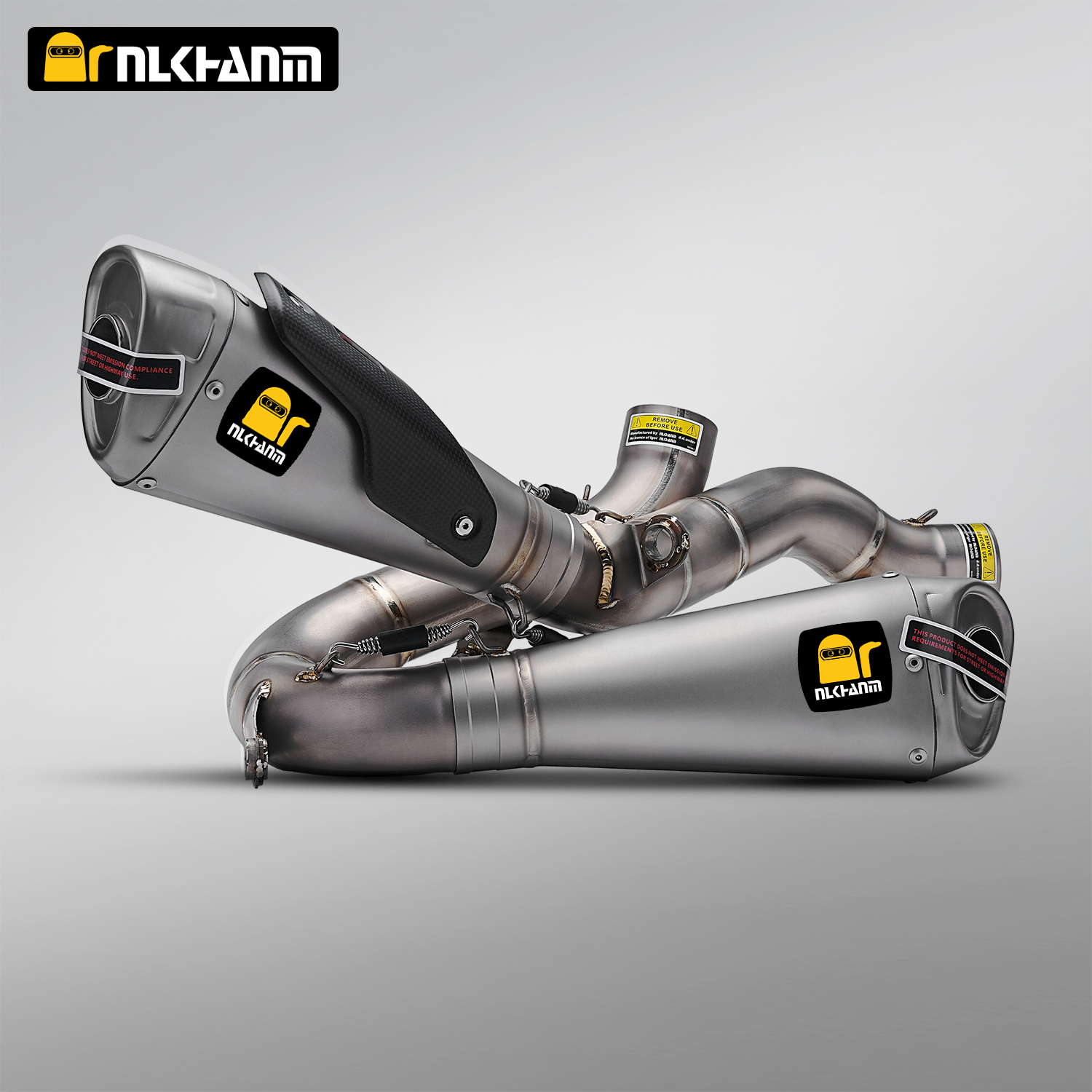
Step-by-Step Guide to Cleaning Your Motorcycle Muffler
Follow these steps to ensure a thorough clean without damaging your bike.
1. Cool Down Before You Start
Never attempt to clean a hot exhaust. Not only do you risk severe burns, but applying cold water or chemicals to hot metal can cause thermal shock, potentially warping the pipes or damaging the finish. Wait until the engine is cool to the touch.
2. Plug the Exhaust
Water inside your exhaust system can lead to internal rust and difficult starting. Insert a dedicated rubber exhaust plug into the muffler tip. If you don't have one, a plastic bag secured with a rubber band works in a pinch—just remember to remove it before starting the bike!
3. Pre-Wash and Degrease
Rinse the muffler with water to remove loose dirt. Apply a generous amount of degreaser to the exterior, focusing on areas with road tar or chain lube splatter. Let it sit for a few minutes (check the bottle for instructions), then scrub gently with your soft-bristle brush. Rinse thoroughly.
4. Deep Clean the Surface
Depending on the material of your muffler, your approach here will vary:
Chrome: Use a chrome cleaner. If there are melted boot marks or stubborn tar, you might need fine-grade steel wool (#0000). Use plenty of lubricant (like soapy water) and scrub gently. Never use steel wool on other finishes.
Stainless Steel: Over time, stainless steel turns a golden or blueish hue due to heat cycles. A pickling agent or a dedicated stainless steel exhaust cleaner can help restore the original color.
Carbon Fiber: This material needs gentle care. Use mild soap and warm water. Avoid harsh chemicals or abrasive scrubbing pads, as these can ruin the clear coat and damage the fibers underneath.
Titanium: Use a simple mixture of mild soap and water or a cleaner specifically designed for titanium. Avoid abrasive polishes that can alter the metal's unique finish.
5. Address Internal Carbon Buildup
For 2-stroke bikes especially, carbon buildup inside the pipe is a common issue. If your muffler is removable and serviceable (re-packable), you can disassemble it to clean the internal baffle.
Remove the muffler from the bike.
If applicable, remove the baffle.
Use a wire brush or a carbon removal chemical to clean the internal components.
If the packing material (fiberglass) is soaked in oil or burnt out, replace it. This is crucial for maintaining the correct sound levels and backpressure.
6. Polish and Protect
Once the muffler is clean and dry, apply a high-quality metal polish. Work in small sections using a microfiber cloth. This removes microscopic oxidation and restores brilliance. Finally, apply a high-temperature wax or sealant. This creates a barrier against moisture and makes future cleaning much easier.
How do you remove rust from a motorcycle exhaust?
Rust can feel like a death sentence for an exhaust pipe, but surface rust is often treatable if caught early.
For Chrome:
Soak a piece of aluminum foil in water or vinegar. Rub the foil gently over the rusted spots. The chemical reaction between the aluminum and the chrome oxide (rust) helps scrub it away without scratching the chrome as deeply as sandpaper would. Wipe clean and polish immediately.
For Stainless Steel:
If the rust is significant, you may need a specialized rust remover gel. Apply it, let it sit, and scrub with a scotch-brite pad (rubbing in the direction of the metal grain to avoid unsightly scratches).
For Deep Pitting:
If the rust has eaten into the metal causing deep pits or holes, cleaning won't save it. At this stage, the structural integrity is compromised, and you should consider replacing the unit.
How often should you repack a muffler?
If you have an aftermarket exhaust or a 2-stroke engine, "repacking" is a vital maintenance term. Inside many mufflers is a layer of fiberglass or steel wool that absorbs sound and heat. Over time, this material breaks down, blows out, or gets saturated with oil.
Signs you need to repack:
Increased Noise: The bike sounds significantly louder or tinny.
Discoloration: A specific hot spot on the carbon fiber or titanium sleeve often indicates the packing has blown out in that area, causing the outer shell to overheat.
Performance Drop: A loss of low-end torque can sometimes be attributed to changes in exhaust pressure due to failed packing.
A general rule of thumb is to check your packing every 10,000 to 15,000 miles, but high-performance riding will shorten this interval.
Choosing the Right Replacement Parts
Sometimes, no amount of cleaning can salvage an old pipe. If you find cracks, severe rust, or unrepairable damage, it’s time for an upgrade. When looking for a replacement, consider the material carefully.
Stainless Steel is durable and resistant to rust but heavier.
Titanium is incredibly light and strong but comes with a premium price tag.
Carbon Fiber offers the best heat dissipation and looks, perfect for sportbikes, but requires more delicate care.
Companies like Nlkhanm offer a wide range of universal and model-specific mufflers (like 60mm options for MT07, Z900, etc.) that can restore your bike's performance and aesthetic appeal.
Conclusion
Maintaining your motorcycle exhaust system doesn't require a degree in mechanical engineering—just a bit of patience and the right routine. By keeping your muffler clean, free of rust, and properly packed, you ensure your bike runs as good as it looks.
Don't wait for the rust to set in. Grab a rag, some polish, and give your bike the attention it deserves this weekend. Your engine (and your ears) will thank you.
Motorcycle Exhaust System Muffler
60mm Motorcycle Exhaust Muffler Pipe
custom exhaust tubing

 English
 العربية
 Français
 Русский
 Español
 Português
 Deutsch
 italiano
 日本語
日本語 한국어
한국어 Nederlands
 Tiếng Việt
 ไทย
ไทย Polski
 Türkçe
 አማርኛ
አማርኛ ພາສາລາວ
 ភាសាខ្មែរ
 Bahasa Melayu
 ဗမာစာ
ဗမာစာ தமிழ்
தமிழ் Filipino
 Bahasa Indonesia
 magyar
 Română
 Čeština
 Монгол
 қазақ
қазақ Српски
 हिन्दी
 Slovenčina
 Norsk
Norsk Svenska
 українська
 Ελληνικά
 Suomi
Suomi עברית
עברית Latine
 Dansk
Dansk বাংলা
বাংলা Hrvatski
 Afrikaans
 Gaeilge
 Māori
Māori नेपाली
 Oʻzbekcha
 Беларуская мова
 ʻŌlelo Hawaiʻi
 íslenska
 Kinyarwanda


