Choosing the right exhaust system can transform your motorcycle's performance, sound, and overall riding experience. With countless options available—from slip-on mufflers to full racing systems—riders often struggle to determine which setup will deliver the best results for their specific needs and budget.
The truth is, there's no universal "best" exhaust system. The ideal choice depends on your motorcycle type, riding style, performance goals, and local regulations. However, understanding the key factors that separate exceptional systems from mediocre ones will help you make an informed decision that enhances both your bike's capabilities and your enjoyment on the road.
This comprehensive guide breaks down everything you need to know about motorcycle exhausts, from material choices and performance benefits to legal considerations and installation tips.
Understanding Motorcycle Exhaust Systems
Modern motorcycle exhausts consist of several key components working together to channel exhaust gases away from the engine while optimizing performance and sound. The header pipes connect directly to your engine's exhaust ports, collecting hot gases and directing them toward the mid-pipe or collector section.
From there, gases flow through the muffler—sometimes called a silencer—where sound levels are reduced and backpressure is controlled. Many systems also include catalytic converters to reduce emissions, particularly on street-legal motorcycles sold in markets with strict environmental regulations.
The entire system must balance multiple competing demands: maximizing power output, controlling noise levels, meeting emissions standards, and maintaining durability under extreme heat and vibration. Premium systems achieve this balance through careful engineering of pipe diameter, length, and internal construction.
Material Choices: Stainless Steel vs. Titanium
Stainless Steel Exhausts
Stainless steel remains the most popular choice for motorcycle exhausts due to its excellent durability and corrosion resistance. High-quality stainless steel systems can withstand decades of use without significant degradation, making them ideal for daily riders and touring motorcycles.
Stainless steel also offers superior heat resistance compared to mild steel alternatives. This material maintains its structural integrity even under the extreme temperatures generated by high-performance engines, preventing warping or cracking that can occur with lesser materials.
The manufacturing flexibility of stainless steel allows for complex bending and shaping, enabling engineers to optimize exhaust routing for both performance and ground clearance. This versatility makes stainless steel suitable for everything from cruisers to sport bikes.
Titanium Exhausts
Titanium represents the premium option in motorcycle exhaust construction. This exotic material weighs significantly less than stainless steel while offering comparable or superior strength characteristics. For track-focused riders and racers, the weight savings can meaningfully improve handling and acceleration.
Beyond weight advantages, titanium exhausts often produce a distinctive sound character that many enthusiasts prefer. The material's acoustic properties create a sharper, more metallic tone compared to the deeper notes typical of stainless steel systems.
However, titanium's benefits come at a substantial cost premium. These systems typically cost two to three times more than equivalent stainless steel options, making them primarily attractive to serious performance enthusiasts and competitive riders.
Performance Benefits of Aftermarket Systems
Power and Torque Gains
Well-designed aftermarket exhausts can unlock noticeable power increases, particularly on motorcycles with restrictive stock systems. By optimizing pipe diameter, reducing back-pressure, and improving exhaust gas flow velocity, performance systems help engines breathe more efficiently.
The magnitude of gains varies significantly based on your motorcycle's original restrictions and engine characteristics. Naturally aspirated engines with high-flow cylinder heads typically respond better to exhaust modifications than bikes already equipped with efficient factory systems.
Most riders can expect modest improvements in the 5-15% range for power and torque output. While these gains might seem small, they often translate to more noticeable improvements in throttle response and mid-range acceleration where riders spend most of their time.
Sound Enhancement
Beyond performance benefits, many riders choose aftermarket exhausts primarily for their sound characteristics. Stock systems prioritize noise compliance over acoustic appeal, often resulting in muffled or uninspiring exhaust notes.
Quality aftermarket systems allow your engine's natural sound signature to emerge while maintaining reasonable noise levels for street use. The best designs enhance desirable frequencies while suppressing harsh or droning tones that can become fatiguing during long rides.
However, sound preferences remain highly subjective. What sounds aggressive and exciting to one rider might seem obnoxious to another. Consider your typical riding environment and local noise regulations when selecting a system based on sound characteristics.
Choosing the Right System Type
Slip-On Exhausts
Slip-on systems replace only the muffler section of your motorcycle's exhaust, connecting to the existing header pipes through a simple clamp-on interface. This design offers the easiest installation process and typically requires no engine tuning modifications.
For riders seeking improved sound and modest performance gains without extensive modifications, slip-ons provide an excellent entry point. They're significantly less expensive than full systems while still delivering noticeable improvements in exhaust note and visual appeal.
The performance benefits of slip-ons are generally limited since the restrictive header pipes remain unchanged. However, for many street riders, the combination of easy installation, lower cost, and satisfying sound enhancement makes slip-ons the ideal compromise.
Full Exhaust Systems
Complete exhaust systems replace everything from the exhaust ports to the tailpipe, offering maximum performance potential and design flexibility. These systems can optimize the entire exhaust flow path rather than just the final muffler section.
Full systems typically require professional installation and engine tuning to achieve optimal results. The additional complexity and cost are justified for riders seeking maximum performance gains or those building dedicated track motorcycles.
Racing-oriented full systems often eliminate emissions equipment and may not meet street-legal requirements in all jurisdictions. Verify local regulations before purchasing if you plan to use your motorcycle on public roads.
Installation and Tuning Considerations
Professional vs. DIY Installation
Simple slip-on systems can often be installed by mechanically inclined riders with basic tools. However, full system installations frequently require specialized knowledge of exhaust routing, heat shielding, and proper torque specifications.
Professional installation ensures proper fitment and prevents common issues like exhaust leaks, ground clearance problems, or interference with other motorcycle components. The additional cost of professional installation often pays for itself through avoided problems and warranty protection.
Engine Tuning Requirements
Significant exhaust modifications typically require corresponding adjustments to fuel delivery and ignition timing. Modern fuel-injected motorcycles may need ECU remapping or aftermarket fuel management systems to optimize performance with new exhaust systems.
Naturally aspirated engines are generally more forgiving of exhaust changes, while turbocharged or highly tuned engines require precise calibration to prevent damage. Consult with qualified tuners familiar with your specific motorcycle model before making major exhaust modifications.
Quality Standards and Manufacturing Excellence
The motorcycle exhaust industry includes manufacturers ranging from small custom shops to major automotive suppliers. Quality varies dramatically between different producers, making careful selection crucial for long-term satisfaction.
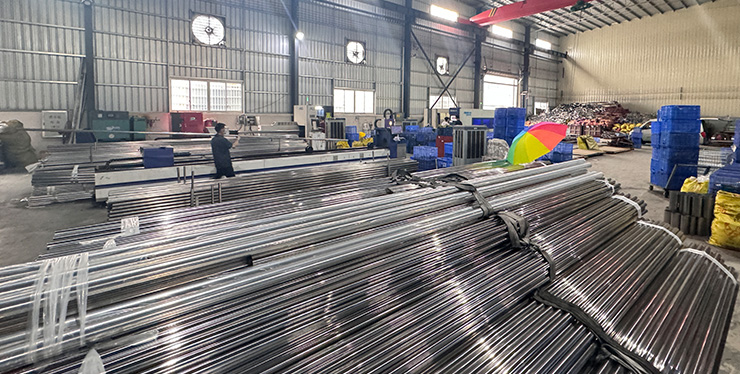
Jilang Company represents the professional tier of exhaust manufacturing, employing a team of 50 experienced engineers and technicians. Their mature supply chain system and strict quality standards ensure consistent production of high-performance stainless steel and titanium exhaust products for both domestic and international markets.
Professional manufacturers typically offer comprehensive warranties, detailed installation instructions, and customer support services. These factors become particularly important for complex installations or when problems arise during the ownership experience.
Legal and Compliance Considerations
Noise Regulations
Most jurisdictions enforce noise limits for motorcycles operating on public roads. These regulations vary significantly between different regions, with some areas implementing particularly strict enforcement during certain hours or in residential zones.
Before selecting an exhaust system based primarily on sound characteristics, research your local noise ordinances and typical enforcement practices. Many manufacturers provide noise level specifications to help riders stay within legal limits.
Emissions Compliance
Street-legal motorcycles must meet emissions standards that often require functional catalytic converters and proper air-fuel ratios. Racing exhausts frequently eliminate emissions equipment to maximize performance, making them unsuitable for road use in regulated markets.
Verify that any exhaust system you're considering maintains necessary emissions equipment for your intended use. Some manufacturers offer separate versions of the same system designed for racing and street applications.
Making Your Final Decision
The best exhaust system for your motorcycle depends on balancing multiple factors: performance goals, budget constraints, installation complexity, and legal requirements. Riders focused on maximum power gains should prioritize full systems from reputable manufacturers, while those seeking improved sound with minimal complexity might prefer quality slip-on options.
Material choice between stainless steel and titanium largely comes down to budget and weight priorities. Stainless steel offers excellent durability and performance at reasonable prices, while titanium provides weight savings and exotic appeal for those willing to pay premium prices.
Consider your motorcycle's current performance level and future modification plans. Heavily modified engines with other performance upgrades will better utilize the potential of high-end exhaust systems, while mildly tuned motorcycles might achieve 90% of the benefits from more affordable options.
Research manufacturer reputation, warranty coverage, and customer support quality before making final purchasing decisions. The exhaust system you choose will likely remain on your motorcycle for years, making initial quality and ongoing support crucial factors in long-term satisfaction.
motorcycle exhausts
BMW S1000RR EXHAUST
bmw s1000rr exhaust system

 English
 العربية
 Français
 Русский
 Español
 Português
 Deutsch
 italiano
 日本語
日本語 한국어
한국어 Nederlands
 Tiếng Việt
 ไทย
ไทย Polski
 Türkçe
 አማርኛ
አማርኛ ພາສາລາວ
 ភាសាខ្មែរ
 Bahasa Melayu
 ဗမာစာ
ဗမာစာ தமிழ்
தமிழ் Filipino
 Bahasa Indonesia
 magyar
 Română
 Čeština
 Монгол
 қазақ
қазақ Српски
 हिन्दी
 Slovenčina
 Norsk
Norsk Svenska
 українська
 Ελληνικά
 Suomi
Suomi עברית
עברית Latine
 Dansk
Dansk বাংলা
বাংলা Hrvatski
 Afrikaans
 Gaeilge
 Māori
Māori नेपाली
 Oʻzbekcha
 Беларуская мова
 ʻŌlelo Hawaiʻi
 íslenska
 Kinyarwanda


