Upgrading your bike's exhaust is one of the most popular modifications riders make. Changing the exhaust system fundamentally alters how your engine breathes, performs, and looks. It can transform a quiet, factory-standard machine into a roaring beast that turns heads on the street.
When browsing for new motorcycle exhausts, you will quickly encounter a major decision. Should you stick with a single exhaust setup, or is a dual exhaust system the better choice for your specific needs? Both options offer unique advantages and distinct drawbacks that can significantly impact your riding experience.
This comprehensive guide breaks down the core differences between single and dual setups. We will evaluate critical factors like weight, performance, aesthetics, and sound. By the end of this article, you will have the exact knowledge needed to choose the perfect exhaust for motorcycles that fits your riding style and budget.
Understanding Motorcycle Exhaust Pipes
Before diving into the specific setups, it helps to understand what an exhaust system actually does. Motorcycle exhaust pipes are responsible for routing spent exhaust gases away from the engine and the rider. They also play a massive role in backpressure, which directly affects engine tuning and power delivery.
The materials used in your exhaust also matter heavily. Many aftermarket systems utilize 304 stainless steel, carbon fiber, or titanium alloy to reduce weight and increase durability. These materials help dissipate heat efficiently while providing a premium finish that resists corrosion over time.
Single Exhaust Systems: The Basics
A single exhaust system collects the gases from all engine cylinders and routes them out through one muffler. This is an incredibly common setup on sportbikes, naked bikes, and dirt bikes.
Pros of Single Exhausts
The biggest advantage of a single exhaust is the massive reduction in weight. Removing an entire muffler and the associated mid-pipes strips unnecessary bulk from your motorcycle. This weight reduction often leads to improved handling, faster acceleration, and better braking performance.
Cost is another significant benefit. Because a single system uses fewer materials and is less complex to manufacture, it is generally much cheaper to purchase and install. If you happen to drop your bike, you only have one muffler to replace.
Finally, single exhausts simplify engine tuning. Having a single exit point makes it easier to manage backpressure and tune the fuel mapping for optimal performance, especially on high-revving inline-four engines.
Cons of Single Exhausts
The primary drawback of a single setup is purely visual. Many riders prefer a symmetrical look, especially on larger cruisers or touring motorcycles. A single pipe hanging off one side can look unbalanced on wider bikes.
Additionally, highly modified, large-displacement engines might experience slight flow restrictions with a single pipe. While this is rare for the average street rider, professional builders pushing massive horsepower numbers sometimes need the extra volume that a dual system provides.
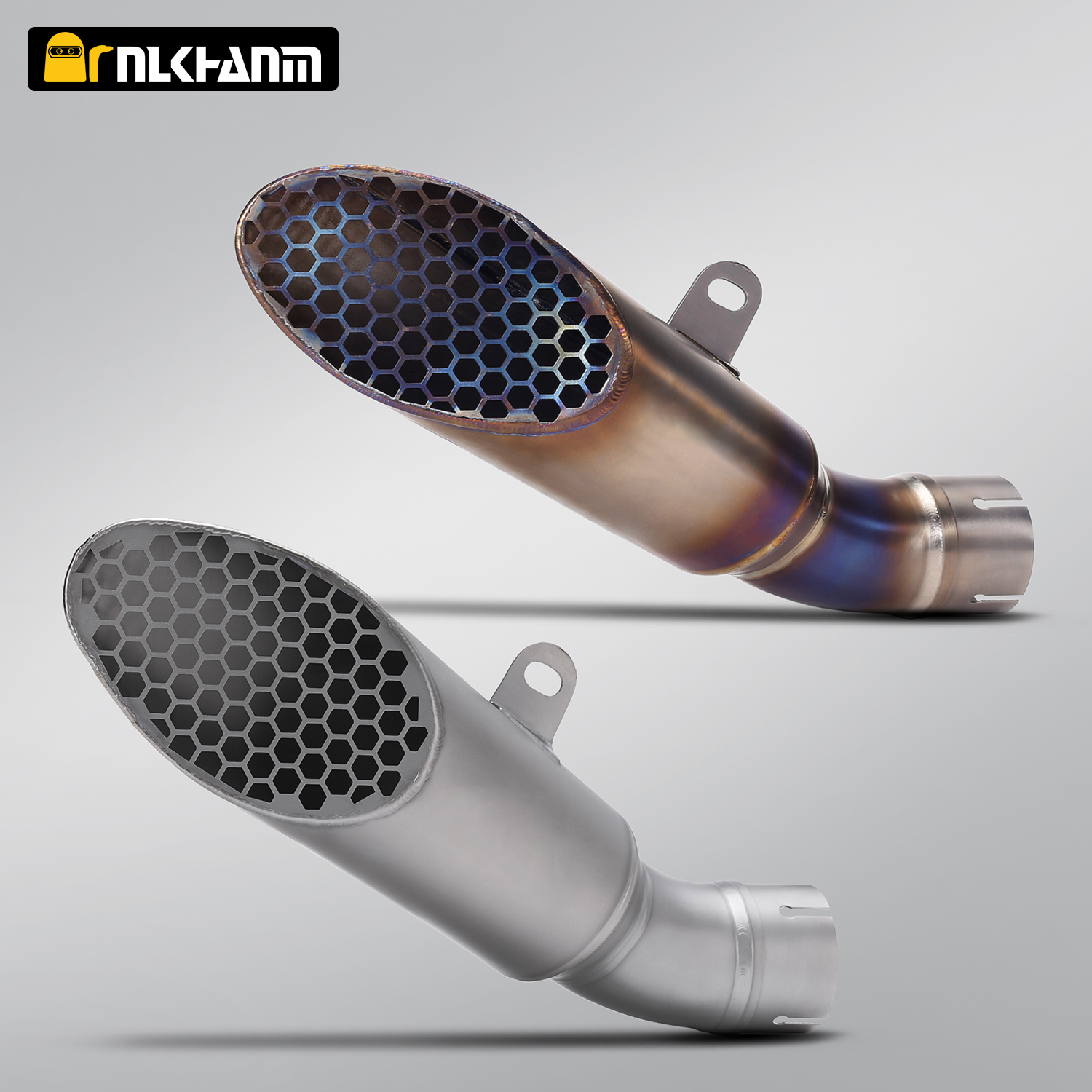
Dual Exhaust Systems: The Basics
A dual exhaust system routes the engine gases through two separate mufflers. These can be configured as a "true dual" system, where each cylinder bank gets its own dedicated pipe, or a setup that merges the gases before splitting them again at the rear.
Pros of Dual Exhausts
Dual exhausts are heavily favored for their aesthetic appeal. The symmetrical design looks incredibly aggressive and balanced from the rear, making it a staple on classic cruisers, baggers, and some modern retro motorcycles.
Sound quality is another major selling point. Dual setups often produce a deeper, throatier rumble compared to the high-pitched scream of a single pipe. The larger overall volume of the dual mufflers acts as an expansive resonant chamber for the exhaust pulses.
For large V-twin engines, a true dual system can also offer better heat management. By routing the hot gases out of two separate pipes, the system prevents extreme heat buildup on one side of the motorcycle, which can increase passenger comfort on long touring rides.
Cons of Dual Exhausts
The most obvious downside is the added weight. Two mufflers and extra piping add significant mass to the motorcycle, which can marginally negatively impact handling and acceleration.
Dual setups are also notably more expensive. You are essentially paying for double the materials, which drives up the initial purchase price and increases replacement costs if the bike goes down. Routine maintenance, such as repacking the mufflers, also takes twice as much time and effort.
Side-by-Side Comparison
To help you visualize the differences quickly, review the comparison table below. It highlights how single and dual motorcycle exhausts stack up across key categories.
Feature | Single Exhaust System | Dual Exhaust System |
Overall Weight | Very light | Heavier due to extra materials |
Purchase Cost | Generally more affordable | More expensive |
Aesthetics | Asymmetrical, sporty | Symmetrical, classic, and balanced |
Sound Profile | Tends to be higher-pitched | Deep, throaty, and resonant |
Handling Impact | Improves agility | Can add slight sluggishness to lean angles |
Maintenance | Easy and quick | Takes more time and effort |
Choosing the Right Exhaust for Motorcycles
Selecting between single and dual setups comes down to your motorcycle type and riding goals. If you ride a sportbike and prioritize lap times, aggressive cornering, and maximum weight savings, a single exhaust is the clear winner.
Conversely, if you ride a heavy cruiser and care deeply about a symmetrical appearance and a deep, rumbling exhaust note, a dual system is likely worth the extra investment and weight.
Regardless of your choice, sourcing your parts from a reputable manufacturer ensures you get the durability and performance you expect. For those looking to upgrade, you can explore a wide variety of high-performancemotorcycle exhaust system options, including titanium alloy and carbon fiber setups, designed to fit numerous major motorcycle brands perfectly.
Making Your Final Decision
Upgrading your exhaust is a thrilling part of motorcycle ownership. Taking the time to weigh the pros and cons of single versus dual setups ensures you spend your money wisely. Look at your bike, consider your riding habits, and decide what matters most to you on the road. Once you bolt up your new system and hear that engine roar to life, you will know you made the right choice.
motorcycle exhausts
motorcycle exhaust pipes
exhaust for motorcycles

 English
 العربية
 Français
 Русский
 Español
 Português
 Deutsch
 italiano
 日本語
日本語 한국어
한국어 Nederlands
 Tiếng Việt
 ไทย
ไทย Polski
 Türkçe
 አማርኛ
አማርኛ ພາສາລາວ
 ភាសាខ្មែរ
 Bahasa Melayu
 ဗမာစာ
ဗမာစာ தமிழ்
தமிழ் Filipino
 Bahasa Indonesia
 magyar
 Română
 Čeština
 Монгол
 қазақ
қазақ Српски
 हिन्दी
 Slovenčina
 Norsk
Norsk Svenska
 українська
 Ελληνικά
 Suomi
Suomi עברית
עברית Latine
 Dansk
Dansk বাংলা
বাংলা Hrvatski
 Afrikaans
 Gaeilge
 Māori
Māori नेपाली
 Oʻzbekcha
 Беларуская мова
 ʻŌlelo Hawaiʻi
 íslenska
 Kinyarwanda


