Upgrading your motorcycle exhaust system can dramatically transform your riding experience. Among the various materials available, stainless steel stands out as a top choice for riders seeking durability, performance, and value. But what makes stainless steel exhaust systems so appealing?
If you're considering an upgrade, understanding the specific advantages of stainless steel can help you make an informed decision. From corrosion resistance to cost-effectiveness, stainless steel offers numerous benefits that make it an excellent investment for both casual riders and performance enthusiasts.
This guide explores the key benefits of stainless steel exhausts and why they might be the perfect choice for your motorcycle.
What Makes Stainless Steel Ideal for Motorcycle Exhaust Systems?
Stainless steel has become a preferred material for motorcycle exhaust manufacturers due to its unique combination of properties. The alloy contains chromium, which forms a protective layer on the surface, preventing rust and corrosion even in harsh conditions.
This material excels in high-temperature environments. Exhaust gases can reach temperatures exceeding 1,200°F, and stainless steel maintains its structural integrity under these extreme conditions. Unlike mild steel, which deteriorates quickly when exposed to heat and moisture, stainless steel resists degradation.
The density and composition of stainless steel also contribute to its acoustic properties. The material naturally dampens sound frequencies, producing a deep, rich exhaust note that many riders find appealing without being excessively loud.
How Do Stainless Steel Exhausts Compare to Other Materials?
Feature | Stainless Steel | Titanium | Mild Steel | Carbon Fiber |
Corrosion Resistance | Excellent | Excellent | Poor | Good |
Weight | Moderate | Very Light | Heavy | Light |
Durability | Excellent | Excellent | Fair | Good |
Cost | Moderate | High | Low | High |
Heat Resistance | Excellent | Excellent | Good | Moderate |
Maintenance | Low | Low | High | Moderate |
Sound Quality | Rich & Deep | Sharp & Loud | Muffled | Variable |
This comparison demonstrates why stainless steel strikes an ideal balance for most riders. While titanium offers weight savings, the price premium may not justify the benefits for everyday riding. Mild steel is affordable but requires frequent replacement due to rust. Carbon fiber looks stunning but can be fragile and expensive.
What Are the Performance Benefits of Stainless Steel Exhausts?
Stainless steel exhaust systems deliver measurable performance improvements. The smooth interior surface reduces backpressure, allowing exhaust gases to flow more efficiently. This enhanced flow increases horsepower and torque, particularly in the mid-range RPM band where most riders spend their time.
The material's thermal properties also play a crucial role. Stainless steel retains heat effectively, keeping exhaust gases hot as they exit the engine. Hot gases move faster, creating better scavenging effects that help pull fresh air-fuel mixture into the cylinders during the intake stroke.
Many riders report improved throttle response after installing a stainless steel exhaust system. The reduced weight compared to stock exhausts—often 30-40% lighter—improves handling and acceleration.
How Long Do Stainless Steel Exhausts Last?
Durability is perhaps the most compelling advantage of stainless steel exhausts. A quality stainless steel system can last 10-15 years or longer with minimal maintenance, far exceeding the 2-3 year lifespan typical of mild steel systems.
The chromium oxide layer that forms on stainless steel is self-healing. When scratched, it reforms automatically in the presence of oxygen, continuously protecting the metal beneath. This property ensures long-term protection against the elements.
Salt exposure from winter roads or coastal environments poses no significant threat to stainless steel. While mild steel exhausts rust through in a single season in these conditions, stainless steel remains unaffected. This longevity makes stainless steel a cost-effective choice despite the higher initial investment.
Are Stainless Steel Exhausts Worth the Investment?
When evaluating value, consider both upfront costs and long-term expenses. A quality stainless steel exhaust system typically costs $300-$800, depending on the motorcycle model and system configuration. This represents a significant investment, but one that pays dividends over time.
Factor in replacement costs for cheaper alternatives. If you replace a mild steel exhaust every 2-3 years at $200 each, you'll spend $800-$1,200 over a decade. A stainless steel system purchased once and lasting 15 years represents better value.
The resale value of your motorcycle also benefits from a stainless steel exhaust. Potential buyers recognize the quality and longevity of stainless steel systems, making your bike more attractive in the used market.
What Maintenance Do Stainless Steel Exhausts Require?
One of the most appealing aspects of stainless steel exhausts is their low maintenance requirements. Unlike chrome-plated systems that require regular polishing or mild steel exhausts that need rust prevention treatments, stainless steel demands minimal attention.
Basic maintenance involves:
Regular cleaning: Wash with mild soap and water to remove road grime
Periodic inspection: Check mounting brackets and clamps for tightness
Heat shield maintenance: Ensure heat shields remain secure and undamaged
Gasket replacement: Replace exhaust gaskets as needed, typically every 2-3 years
Surface discoloration from heat is normal and doesn't indicate damage. Some riders embrace the blued appearance as evidence of a well-used system. Others prefer to maintain the original finish using specialized stainless steel polish.
How Do You Choose the Right Stainless Steel Exhaust?
Selecting the optimal stainless steel exhaust system requires consideration of several factors. Start by identifying your priorities: performance gains, sound quality, aesthetics, or a combination of these elements.
System configuration matters: Slip-on mufflers offer easy installation and moderate improvements, while full systems provide maximum performance benefits but require more extensive installation. Mid-pipe systems balance these considerations, offering significant improvements without complete system replacement.
Grade of stainless steel: Look for 304 or 316 stainless steel. Grade 304 offers excellent corrosion resistance for most applications, while 316 provides superior protection in extreme environments with high salt exposure.
Manufacturer reputation: Choose established motorcycle exhaust manufacturers with proven track records. Companies specializing in stainless steel exhaust systems typically offer better quality control and customer support.
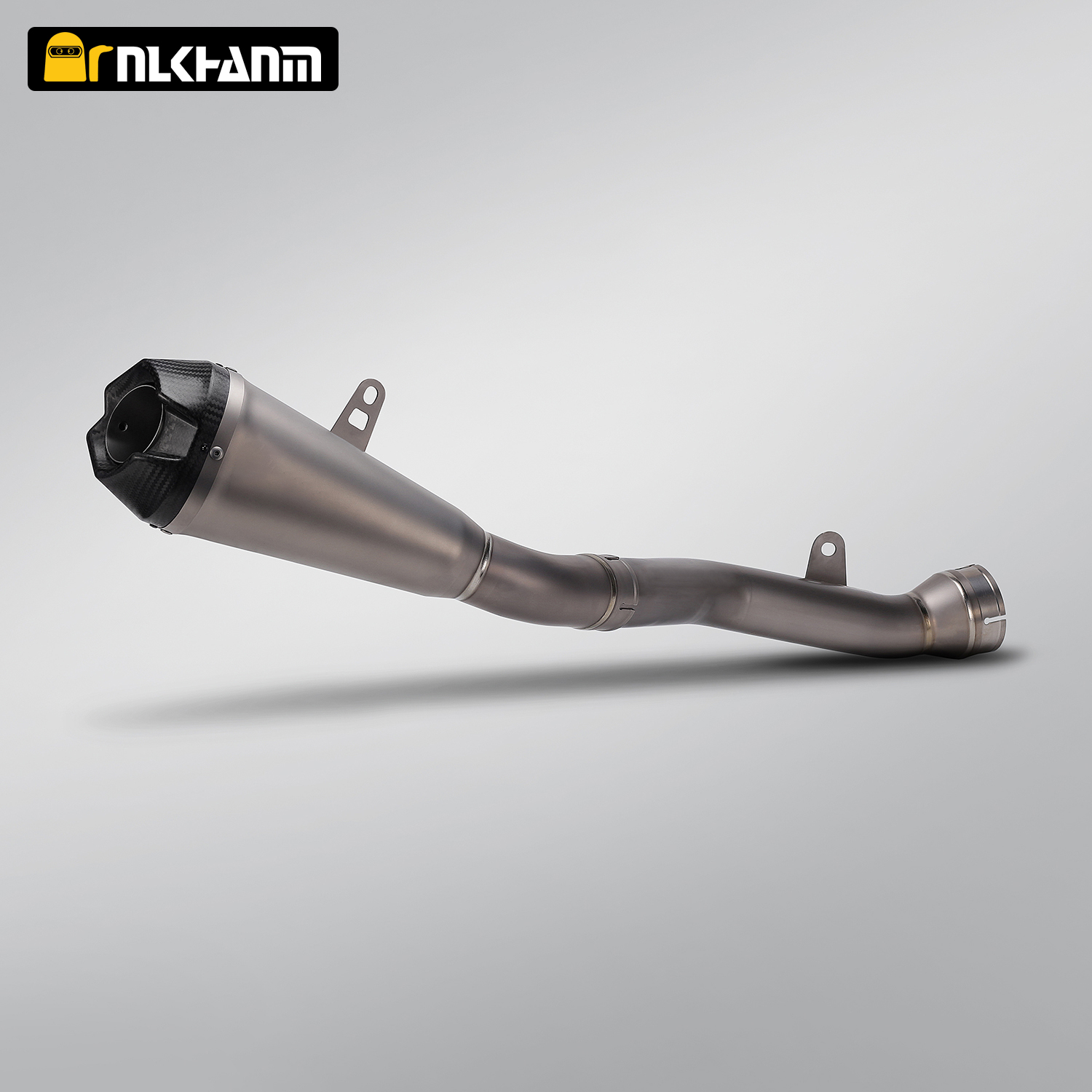
Consider reviewing options from reputable manufacturers like NLKHANM's stainless steel exhaust systems, which combine quality materials with precision engineering.
Transform Your Ride with Stainless Steel Quality
Stainless steel exhaust systems represent a smart investment for motorcycle enthusiasts who value performance, durability, and long-term value. The material's inherent resistance to corrosion, combined with excellent heat handling and acoustic properties, makes it an ideal choice for motorcycle applications.
While the initial cost exceeds budget alternatives, the extended lifespan and minimal maintenance requirements make stainless steel exhausts more economical over time. The performance benefits—improved horsepower, enhanced throttle response, and better exhaust note—add tangible value to your riding experience.
Whether you ride a sportbike, cruiser, or adventure motorcycle, a quality stainless steel exhaust system can enhance both the performance and longevity of your machine. Take the time to research options, read reviews, and select a system that aligns with your riding style and performance goals.
Ready to upgrade? Explore the range of stainless steel exhaust systems available and discover how this proven material can elevate your motorcycle to the next level.
motorcycle exhaust systems
stainless steel exhaust systems
motorcycle exhaust manufacturer

 English
 العربية
 Français
 Русский
 Español
 Português
 Deutsch
 italiano
 日本語
日本語 한국어
한국어 Nederlands
 Tiếng Việt
 ไทย
ไทย Polski
 Türkçe
 አማርኛ
አማርኛ ພາສາລາວ
 ភាសាខ្មែរ
 Bahasa Melayu
 ဗမာစာ
ဗမာစာ தமிழ்
தமிழ் Filipino
 Bahasa Indonesia
 magyar
 Română
 Čeština
 Монгол
 қазақ
қазақ Српски
 हिन्दी
 Slovenčina
 Norsk
Norsk Svenska
 українська
 Ελληνικά
 Suomi
Suomi עברית
עברית Latine
 Dansk
Dansk বাংলা
বাংলা Hrvatski
 Afrikaans
 Gaeilge
 Māori
Māori नेपाली
 Oʻzbekcha
 Беларуская мова
 ʻŌlelo Hawaiʻi
 íslenska
 Kinyarwanda


