A motorcycle's exhaust system is more than just a set of pipes; it's a critical component that dictates performance, sound, and efficiency. It channels hot, toxic gases away from the rider, quiets the engine's roar, and helps optimize power output. For manufacturers and enthusiasts alike, understanding how these systems are made offers insight into the engineering and craftsmanship behind every ride.
This guide explores the intricate process of creating a motorcycle exhaust system, from selecting the right materials to the final quality checks. We'll break down each stage of production, providing a clear overview of the steps required to build a high-performance exhaust. By the end, you'll have a deeper appreciation for the technology that powers your bike and helps it perform at its best.
What is a Motorcycle Exhaust System?
A motorcycle exhaust system is a series of pipes and chambers designed to carry exhaust gases from the engine's cylinders to the rear of the bike. It consists of several key parts working together:
Exhaust Header (or Manifold): This is the first section connected directly to the engine's cylinder head. It collects the hot gases as they exit the combustion chamber.
Collector: In multi-cylinder engines, the header pipes merge into a single pipe called the collector. This helps balance exhaust pulses and improve gas flow.
Mid-Pipe: This section connects the collector to the muffler. Its length and diameter are tuned to influence the engine's torque and horsepower characteristics.
Muffler (or Silencer): This is the final component, responsible for reducing the engine's noise to legally acceptable levels. It contains baffles and sound-absorbing materials to quiet the exhaust note without overly restricting gas flow.
The primary function of the exhaust is to safely vent gases, but a well-designed system also plays a vital role in engine tuning. By controlling backpressure and exhaust scavenging, it can significantly boost performance.
Step-by-Step: Making a Motorcycle Exhaust System
Crafting a motorcycle exhaust system is a multi-stage process that combines precision engineering with skilled craftsmanship. Here’s a breakdown of the key steps involved.
Step 1: Design and Engineering
Before any metal is cut, the exhaust system is designed using Computer-Aided Design (CAD) software. Engineers create a 3D model, carefully planning every curve and dimension to achieve specific performance goals.
During this phase, they consider:
Engine Specifications: The design must match the engine's displacement, cylinder count, and power band.
Material Selection: The choice of material impacts weight, durability, and cost.
Performance Targets: Engineers use fluid dynamics simulations to predict how the design will affect horsepower, torque, and sound.
Fitment: The system must fit the motorcycle's frame perfectly, avoiding contact with other components.
This digital blueprint serves as the foundation for the entire manufacturing process.
Step 2: Choosing the Right Materials
The materials used in an exhaust system must withstand extreme temperatures, corrosion, and vibration. The two most common choices for high-performance exhausts are stainless steel and titanium.
Material | Pros | Cons |
Stainless Steel | - Excellent corrosion resistance
- High durability and strength
- Relatively cost-effective | - Heavier than titanium
- Can be more difficult to weld |
Titanium | - Extremely lightweight (about 40% lighter than steel)
- Superior strength-to-weight ratio
- Excellent heat resistance | - Significantly more expensive
- Requires specialized welding techniques |
The choice often depends on the application. Stainless steel is a popular all-around option for both OEM and aftermarket systems, while titanium is typically reserved for high-end racing and performance bikes where weight savings are critical.
Step 3: Cutting and Bending the Pipes
Once the design is finalized and materials are selected, production begins. The raw pipes are cut to the required lengths for the headers, mid-pipe, and muffler sections.
Next, the pipes are bent into the precise shapes defined in the CAD model. This is typically done using a mandrel bender. A mandrel is a steel rod inserted into the pipe during bending, which prevents it from collapsing or wrinkling. This ensures the pipe maintains a consistent diameter throughout each curve, which is crucial for smooth and unrestricted exhaust flow. Without a mandrel, the pipe could crimp, creating a bottleneck that hinders performance.
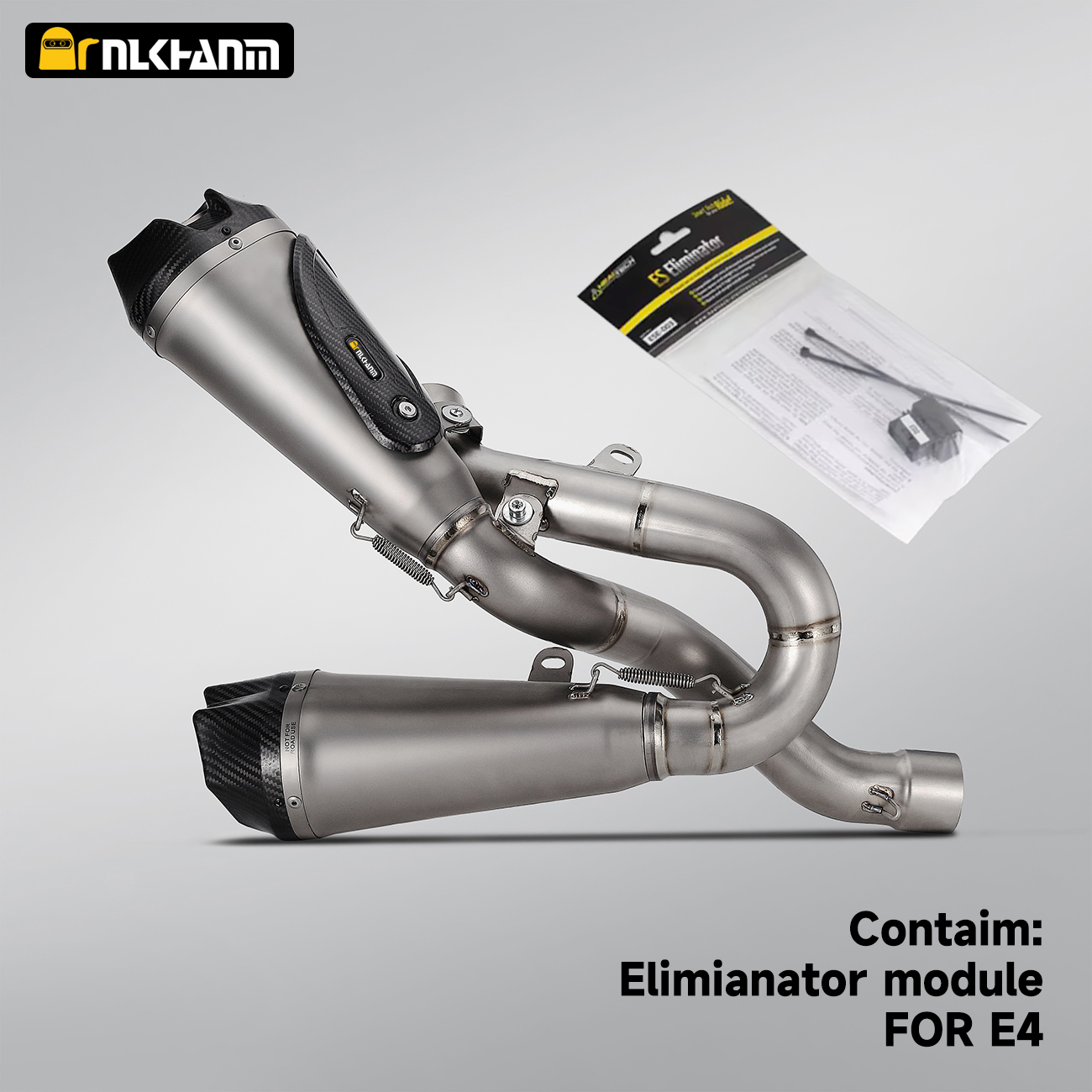
Step 4: Welding and Fabrication
With the individual pipes bent into shape, they are ready to be welded together. This is one of the most skill-intensive parts of the process. Fabricators use TIG (Tungsten Inert Gas) welding to join the components. TIG welding is preferred because it produces clean, strong, and precise welds that are essential for handling the high pressures and temperatures inside an exhaust system.
Skilled welders carefully assemble the header pipes, collector, and mid-pipe, ensuring all joints are perfectly sealed. For titanium systems, this process is even more demanding, as the welding must be done in an inert gas environment to prevent the metal from becoming brittle.
Step 5: Assembling the Muffler
The muffler is constructed separately and then attached to the rest of the system. Its internal design is what controls the exhaust note. Common muffler designs include:
Baffled Mufflers: These use a series of chambers and plates (baffles) to redirect exhaust gases, forcing them to travel a longer path and dissipate sound energy.
Glasspack Mufflers: These feature a straight, perforated pipe wrapped in sound-absorbing material, typically fiberglass. They are less restrictive than baffled designs, resulting in a louder, deeper tone.
The outer casing of the muffler is welded shut, and the internal components are secured to prevent them from rattling loose due to engine vibrations.
Step 6: Finishing and Quality Control
The final step is finishing. The exhaust system is polished or coated to enhance its appearance and add another layer of protection against the elements. Common finishes include polished stainless steel, brushed titanium, or high-temperature ceramic coatings in various colors.
Before shipping, every exhaust system undergoes rigorous quality control checks. Technicians inspect welds for integrity, verify all dimensions against the original design, and test-fit the system on a motorcycle to ensure perfect alignment. This guarantees that the final product meets the highest standards of quality and performance.
A Partner in Performance
The process of making a motorcycle exhaust system is a testament to precision engineering and expert craftsmanship. From the initial design to the final weld, every step is critical to creating a product that enhances a bike's performance, sound, and style.
Companies like Jilang specialize in this complex manufacturing process. With a professional team of 50 people, including experienced and innovative engineers and technicians, Jilang leverages a mature supply chain and strict quality standards. They provide high-performance stainless steel and titanium exhaust products for customers worldwide, demonstrating the expertise required to turn raw metal into a vital component of the motorcycling experience.
Building a Better Ride
Understanding how a motorcycle exhaust system is made provides a new level of appreciation for the technology and skill involved. It’s a delicate balance of fluid dynamics, material science, and hands-on fabrication. Whether you're a manufacturer aiming to build the next superbike or a rider looking to upgrade your machine, recognizing the craftsmanship behind the components is part of what makes motorcycling so compelling.
Motorcycle Exhaust System
Motorcycle Exhaust System Muffler
Universal Motorcycle Exhaust System

 English
 العربية
 Français
 Русский
 Español
 Português
 Deutsch
 italiano
 日本語
日本語 한국어
한국어 Nederlands
 Tiếng Việt
 ไทย
ไทย Polski
 Türkçe
 አማርኛ
አማርኛ ພາສາລາວ
 ភាសាខ្មែរ
 Bahasa Melayu
 ဗမာစာ
ဗမာစာ தமிழ்
தமிழ் Filipino
 Bahasa Indonesia
 magyar
 Română
 Čeština
 Монгол
 қазақ
қазақ Српски
 हिन्दी
 Slovenčina
 Norsk
Norsk Svenska
 українська
 Ελληνικά
 Suomi
Suomi עברית
עברית Latine
 Dansk
Dansk বাংলা
বাংলা Hrvatski
 Afrikaans
 Gaeilge
 Māori
Māori नेपाली
 Oʻzbekcha
 Беларуская мова
 ʻŌlelo Hawaiʻi
 íslenska
 Kinyarwanda


