Your motorcycle's exhaust pipes endure extreme heat, road grime, and weather exposure every time you ride. Over time, this takes a toll—leaving behind stubborn carbon buildup, rust spots, and a dull, lackluster finish. But a clean exhaust pipe doesn't just look better. It can also help you spot potential issues like cracks or corrosion before they become serious problems.
Whether you're preparing for a show, maintaining your bike's resale value, or simply taking pride in your ride, knowing how to properly clean your exhaust pipe is an essential skill. This guide walks you through everything you need to know, from choosing the right cleaning products to restoring shine and protecting your pipes for the long haul.
Understanding Your Exhaust Pipe Material
Before you grab a bottle of cleaner and start scrubbing, take a moment to identify what your exhaust pipe is made of. Different materials require different approaches, and using the wrong product can cause permanent damage.
Chrome Exhaust Pipes
Chrome is one of the most common finishes on motorcycle exhaust pipes. It's shiny, durable, and relatively easy to clean—but it's also prone to pitting and rust if neglected. Use gentle, non-abrasive cleaners designed specifically for chrome to avoid scratching the surface.
Stainless Steel Exhaust Pipes
Stainless steel is more resistant to rust and corrosion than chrome, but it can still discolor from heat and accumulate grime. You can use slightly more aggressive cleaners here, but avoid anything too harsh that might dull the finish.
Blacked-Out or Ceramic-Coated Pipes
Blacked-out exhausts have a matte or satin finish that requires special care. Traditional metal polishes will strip the coating, so stick to mild soap and water or products made specifically for black exhausts. Ceramic-coated pipes also need gentle treatment to preserve their finish.
What You'll Need to Clean Your Exhaust Pipe
Gathering the right tools and products before you start will make the job faster and more effective. Here's what you should have on hand:
★Microfiber cloths or soft rags: These won't scratch your pipes and are great for wiping away dirt and polish.
★Chrome or metal polish: Choose a product designed for your exhaust material.
★Degreaser or soap: A mild degreaser helps remove oily buildup.
★Steel wool (grade 0000): Use only the finest grade to avoid scratching.
★Soft-bristle brush or toothbrush: Perfect for getting into tight spots.
★Protective gloves: Keep your hands clean and safe from chemicals.
★Water and a bucket: For rinsing and diluting cleaners.
Step-by-Step: How to Clean Motorcycle Exhaust Pipes
Now that you've identified your exhaust material and gathered your supplies, it's time to get to work. Follow these steps for a thorough, effective clean.
Step 1: Let the Pipes Cool Down
Never clean your exhaust pipes while they're hot. Not only is this a burn hazard, but applying cold water or cleaner to hot metal can cause warping or cracking. Wait at least 30 minutes after riding before you begin.
Step 2: Rinse Off Loose Dirt
Use a hose or bucket of water to rinse away loose dirt, mud, and road debris. This prevents you from grinding particles into the surface when you start scrubbing.
Step 3: Apply Degreaser or Soap
Spray a mild degreaser or soapy water onto the exhaust pipes. Let it sit for a few minutes to break down oil, grease, and grime. Use a soft-bristle brush to gently scrub the surface, paying extra attention to areas with heavy buildup.
Step 4: Tackle Stubborn Stains and Carbon Buildup
For stubborn carbon deposits or discoloration, apply a metal polish or chrome cleaner to a microfiber cloth. Work in small sections, rubbing the cleaner into the pipe using circular motions. If the buildup is severe, use grade 0000 steel wool—but only if your pipes are chrome or stainless steel. Avoid steel wool on blacked-out or ceramic finishes.
Step 5: Rinse and Dry
Once you've removed all the grime, rinse the pipes thoroughly with clean water. Use a microfiber cloth to dry them completely. Water spots can form quickly on metal, so don't skip this step.
Step 6: Buff and Polish
Apply a final layer of polish or protective wax to restore shine and create a barrier against future buildup. Buff the surface with a clean, dry cloth until it gleams.
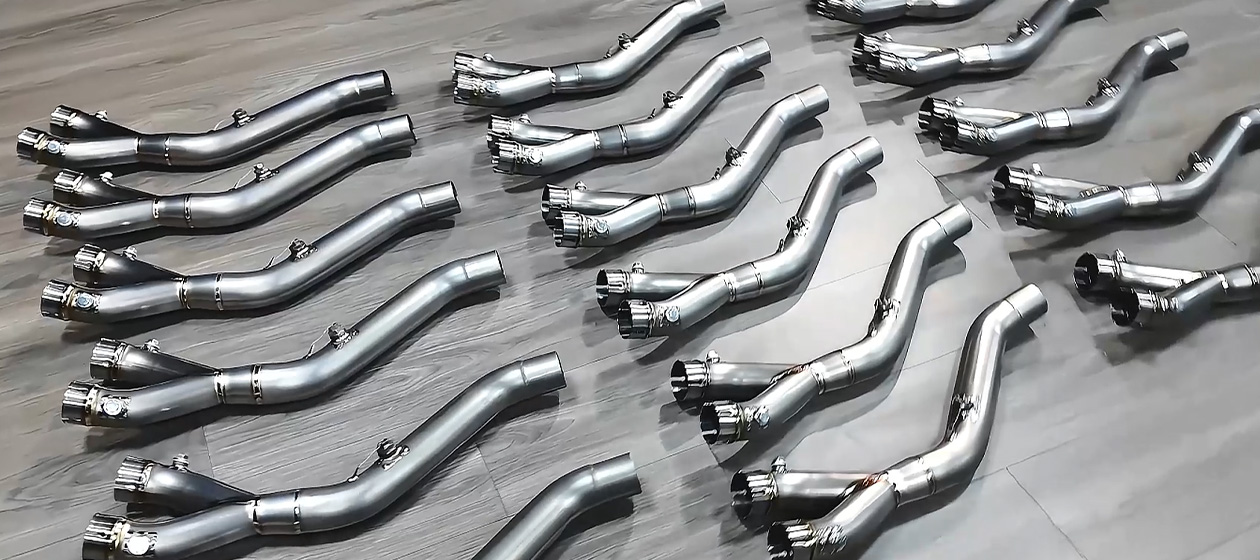
Tips for Maintaining Clean Exhaust Pipes
Cleaning your exhaust pipes doesn't have to be a monthly ordeal. With a few simple maintenance habits, you can keep them looking great between deep cleans.
★Wipe them down regularly: After every few rides, give your pipes a quick wipe with a microfiber cloth to remove surface dirt.
★Avoid harsh chemicals: Stick to products designed for your exhaust material to prevent damage.
★Protect against rust: Apply a thin layer of wax or sealant after cleaning to shield the metal from moisture.
★Address discoloration early: Heat can cause bluing or yellowing on stainless steel. The sooner you treat it, the easier it is to remove.
Common Mistakes to Avoid
Even experienced riders can make mistakes when cleaning their exhaust pipes. Here are a few pitfalls to watch out for:
★Cleaning hot pipes: This can cause burns, warping, or cracking.
★Using abrasive materials on coated pipes: Steel wool and harsh cleaners will strip black or ceramic finishes.
★Skipping the rinse: Leftover cleaner can dry on the surface and leave streaks or residue.
★Over-polishing: Too much product can build up and attract more dirt.
When to Seek Professional Help
Sometimes, DIY cleaning isn't enough. If your exhaust pipes have deep rust, severe pitting, or structural damage, it may be time to consult a professional. They can assess whether the pipes need repair, re-coating, or replacement.
Keep Your Ride Looking Its Best
A clean exhaust pipe is more than just a cosmetic upgrade. It's a sign that you take care of your motorcycle and value its performance and longevity. By following the steps in this guide and maintaining a regular cleaning routine, you'll keep your exhaust pipe motorcycle in top condition for years to come.
So grab your supplies, set aside some time, and give your bike the care it deserves. Your motorcycle—and anyone who sees it—will thank you.
exhaust pipe motorcycle
Motorcycle Exhaust Pipe
motorcycle exhaust manufacturer

 English
 العربية
 Français
 Русский
 Español
 Português
 Deutsch
 italiano
 日本語
日本語 한국어
한국어 Nederlands
 Tiếng Việt
 ไทย
ไทย Polski
 Türkçe
 አማርኛ
አማርኛ ພາສາລາວ
 ភាសាខ្មែរ
 Bahasa Melayu
 ဗမာစာ
ဗမာစာ தமிழ்
தமிழ் Filipino
 Bahasa Indonesia
 magyar
 Română
 Čeština
 Монгол
 қазақ
қазақ Српски
 हिन्दी
 Slovenčina
 Norsk
Norsk Svenska
 українська
 Ελληνικά
 Suomi
Suomi עברית
עברית Latine
 Dansk
Dansk বাংলা
বাংলা Hrvatski
 Afrikaans
 Gaeilge
 Māori
Māori नेपाली
 Oʻzbekcha
 Беларуская мова
 ʻŌlelo Hawaiʻi
 íslenska
 Kinyarwanda


