A motorcycle's roar is more than just noise; it's a fundamental part of the riding experience. The exhaust system, particularly the muffler, shapes this sound while also influencing performance and aesthetics. For riders looking to upgrade or replace their exhaust, the "motorcycle exhaust pipe muffler 60mm" is a popular choice, known for its versatility and impact.
Choosing the right muffler can seem complex, with various materials, designs, and compatibility issues to consider. This guide will walk you through everything you need to know about 60mm motorcycle exhaust mufflers. We'll cover what the 60mm measurement means, the different types available, the benefits of upgrading, and how to select the perfect one for your bike. By the end, you'll be equipped with the knowledge to make an informed decision that enhances your motorcycle's performance, sound, and style.
What Does "60mm" Mean?
When you see "60mm" in the description of a motorcycle exhaust muffler, it refers to the inlet diameter of the muffler. This is the part of the muffler that connects to the motorcycle's exhaust pipe.
It's a critical measurement for compatibility. For a proper, secure, and leak-free fit, the outer diameter of your motorcycle's exhaust pipe must match the 60mm inlet diameter of the muffler. A mismatched size can lead to exhaust leaks, poor performance, and potential safety hazards. While adapters and reducers exist, achieving a direct fit is always the best approach for optimal performance and reliability. Always measure your bike's exhaust pipe diameter before purchasing a new muffler to ensure you get the right part.
Why Upgrade Your Motorcycle Muffler?
Stock mufflers are designed to meet a wide range of regulations, often prioritizing noise reduction and emissions control over performance and sound quality. Upgrading to a 60mm aftermarket muffler can offer several significant advantages.
Enhanced Performance
One of the primary reasons riders upgrade their exhaust is to boost performance. Aftermarket mufflers are engineered to improve exhaust gas flow. By reducing backpressure, they allow the engine to "breathe" more freely. This enhanced efficiency can lead to a noticeable increase in horsepower and torque, resulting in quicker acceleration and a more responsive throttle.
A Sound That Thrills
An aftermarket muffler can completely transform your motorcycle's sound. Stock systems often produce a muted, quiet tone. A performance muffler, on the other hand, can give your bike a deeper, throatier, and more aggressive exhaust note. This not only makes the ride more exciting but also increases your presence on the road, which can be a safety benefit.
Weight Reduction
Stock exhaust systems are often built with heavy, thick steel to ensure durability and keep costs down. Many aftermarket 60mm mufflers are constructed from lightweight materials like stainless steel, carbon fiber, or titanium. Shaving pounds off your bike can improve its handling, agility, and overall performance.
Aesthetic Improvement
Let's face it, looks matter. An aftermarket muffler can be a major style upgrade. With a variety of finishes (like matte black, polished chrome, or raw titanium) and designs (from short and stubby to long and classic), a new muffler can give your motorcycle a custom, high-end look that sets it apart from the rest.
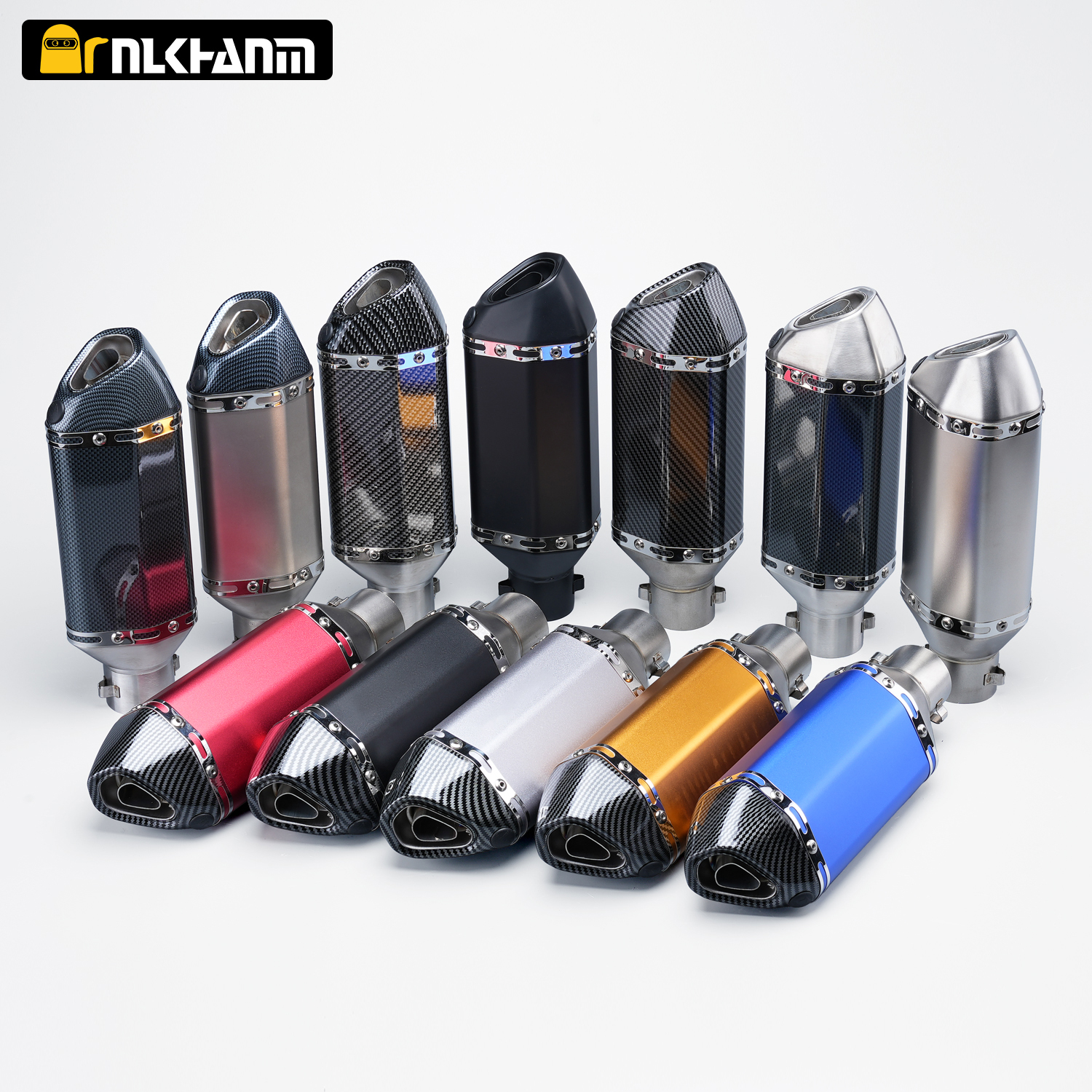
Common Types of 60mm Mufflers
Aftermarket 60mm mufflers come in various styles and materials, each offering a unique combination of performance, sound, and visual appeal. Here are some of the most common types you'll encounter.
Muffler Type | Primary Material(s) | Key Characteristics |
Slip-On Mufflers | Stainless Steel, Aluminum | Easy to install, affordable, good balance of sound and performance improvement. Connects to the stock header pipe. |
Shorty/GP Style | Stainless Steel, Titanium | Compact and lightweight, provides an aggressive, loud exhaust note. Minimalist design for a race-inspired look. |
Carbon Fiber Mufflers | Carbon Fiber, Stainless Steel | Extremely lightweight, excellent heat dissipation, offers a deep and distinct sound. Premium, high-tech appearance. |
Titanium Mufflers | Titanium | The lightest and strongest option, superior corrosion resistance, produces a unique, raspy sound. Top-tier performance and price. |
Dual-Outlet Mufflers | Stainless Steel, Aluminum | Features two exhaust exits for a symmetrical, aggressive look. Can alter sound dynamics and backpressure. |
How to Choose the Right 60mm Muffler
Selecting the perfect muffler involves balancing your personal preferences with your bike's technical requirements. Here are the key factors to consider.
Compatibility Check
The first step is always to confirm compatibility.
Inlet Diameter: Double-check that your bike's exhaust pipe has a 60mm outer diameter.
Mounting Points: Ensure the muffler has the correct brackets and mounting hardware to attach securely to your motorcycle's frame.
Model Specificity: Some mufflers are universal, while others are designed for specific makes and models. Always check the manufacturer's fitment guide.
Material Matters
The material of your muffler affects its weight, durability, sound, and price.
Material | Pros | Cons |
Stainless Steel | Durable, corrosion-resistant, affordable, wide variety of finishes. | Heavier than carbon fiber or titanium. |
Carbon Fiber | Very lightweight, excellent heat resistance, unique look. | Can be brittle on impact, higher cost. |
Titanium | Lightest and strongest material, best corrosion resistance, premium race look. | Most expensive option. |
Aluminum | Lightweight, good heat dissipation, cost-effective. | Less durable and more prone to damage than steel or titanium. |
Sound Profile
What do you want your bike to sound like? Manufacturers often provide sound clips or decibel ratings for their products.
For a deep, rumbling tone, look for longer mufflers with more internal baffling.
For a loud, aggressive, high-pitched roar, a "GP" or shorty style muffler is often the best choice.
Remember to check your local noise regulations, as some aftermarket exhausts may be too loud for street use.
Budget
Prices for 60mm mufflers can range from under a hundred dollars for a basic stainless steel slip-on to over a thousand for a high-end titanium system. Set a realistic budget based on the materials and brand you're interested in, but prioritize quality and proper fitment to ensure a safe and lasting upgrade.
Your Next Upgrade Awaits
Upgrading to a 60mm motorcycle exhaust pipe muffler is one of the most rewarding modifications you can make. It offers a tangible improvement in performance, a more engaging sound, and a significant aesthetic enhancement. By understanding the different types available and carefully considering factors like compatibility, material, and sound, you can choose a muffler that perfectly aligns with your riding style and goals.
Whether you're looking for a slight boost in power, a head-turning exhaust note, or a complete visual transformation, the right aftermarket muffler is out there. Take your time, do your research, and get ready to unlock a new level of excitement on your next ride.
motorcycle exhaust pipe muffler 60mm
muffler exhaust pipe
air exhaust muffler silencer

 English
 العربية
 Français
 Русский
 Español
 Português
 Deutsch
 italiano
 日本語
日本語 한국어
한국어 Nederlands
 Tiếng Việt
 ไทย
ไทย Polski
 Türkçe
 አማርኛ
አማርኛ ພາສາລາວ
 ភាសាខ្មែរ
 Bahasa Melayu
 ဗမာစာ
ဗမာစာ தமிழ்
தமிழ் Filipino
 Bahasa Indonesia
 magyar
 Română
 Čeština
 Монгол
 қазақ
қазақ Српски
 हिन्दी
 Slovenčina
 Norsk
Norsk Svenska
 українська
 Ελληνικά
 Suomi
Suomi עברית
עברית Latine
 Dansk
Dansk বাংলা
বাংলা Hrvatski
 Afrikaans
 Gaeilge
 Māori
Māori नेपाली
 Oʻzbekcha
 Беларуская мова
 ʻŌlelo Hawaiʻi
 íslenska
 Kinyarwanda


