Have you ever wondered what gives certain motorcycles that deep, resonant growl while others sound tinny or muted? Or perhaps you've considered upgrading your bike's performance and appearance but aren't sure where to start. The answer often lies in a component tucked away near the rear wheel: the exhaust muffler.
While it might seem like a simple metal tube, a steel exhaust muffler is a sophisticated piece of engineering designed to manage exhaust gases, reduce noise, and optimize engine performance. For riders looking to modify their bikes, understanding the role of this component is the first step toward unlocking their machine's full potential.
In this guide, we'll explore exactly what a steel exhaust muffler is, how it functions, and why upgrading to a high-quality aftermarket option—like those from Jilang Motorcycle Exhaust Systems—can transform your riding experience.
The Function of a Motorcycle Muffler
At its core, a motorcycle muffler serves three primary purposes: acoustic damping, exhaust gas management, and heat dissipation. When an engine burns fuel, it creates high-pressure pulses of gas that exit the combustion chamber at incredible speeds. Without a muffler, these pulses create a deafening noise.
A well-designed muffler uses a series of chambers, perforated tubes, and sound-absorbing materials (like fiberglass or steel wool) to disrupt these sound waves. By bouncing the waves against each other, they cancel out specific frequencies, resulting in a quieter and more pleasant exhaust note.
However, a muffler does more than just silence noise. It also creates "backpressure." A specific amount of backpressure is necessary for the engine to run efficiently at lower RPMs. Too much backpressure chokes the engine; too little can reduce low-end torque. High-performance steel mufflers strike a perfect balance, allowing for better airflow while maintaining the necessary pressure for optimal power delivery.
Why Choose Steel?
When shopping for an exhaust upgrade, you'll encounter various materials, including titanium, carbon fiber, and aluminum. So, why remains steel a top choice for many riders?
Durability and Longevity
Stainless steel is renowned for its resistance to rust and corrosion. Unlike mild steel, which can deteriorate quickly when exposed to moisture and road salt, high-quality stainless steel can withstand the harsh elements of the road for years. This makes a steel exhaust muffler a smart long-term investment for daily commuters and adventure riders alike.
Heat Resistance
Motorcycle exhaust systems generate immense heat. Steel has excellent thermal properties, allowing it to endure high temperatures without warping or degrading. This structural integrity ensures that the muffler maintains its shape and performance characteristics even after hours of hard riding.
Cost-Effectiveness
Compared to exotic materials like titanium or carbon fiber, steel offers an exceptional balance of performance and price. It provides many of the same flow benefits and durability advantages at a more accessible price point, making it an ideal entry point for modification.
60mm Modified Motorcycle Exhaust Systems
For enthusiasts looking to push their bike's performance further, a standard replacement might not be enough. This is where a 60mm modified motorcycle exhaust system comes into play.
The "60mm" refers to the diameter of the inlet or the internal piping. A larger diameter allows for a greater volume of exhaust gas to escape the engine more freely. This reduction in restriction is crucial for racing applications or high-performance street bikes.
Benefits of a Modified System:
Increased Horsepower: By allowing the engine to "breathe" better, you can unlock additional horsepower, particularly at high RPMs.
Enhanced Torque: A well-tuned modified system can smooth out the torque curve, providing more responsive acceleration.
Weight Reduction: Aftermarket modified systems are often lighter than bulky stock exhausts, improving the bike's handling and power-to-weight ratio.
Aesthetic Appeal: Modified systems often feature sleek designs, polished finishes, or burnt-tip looks that aggressively upgrade the bike's visual profile.
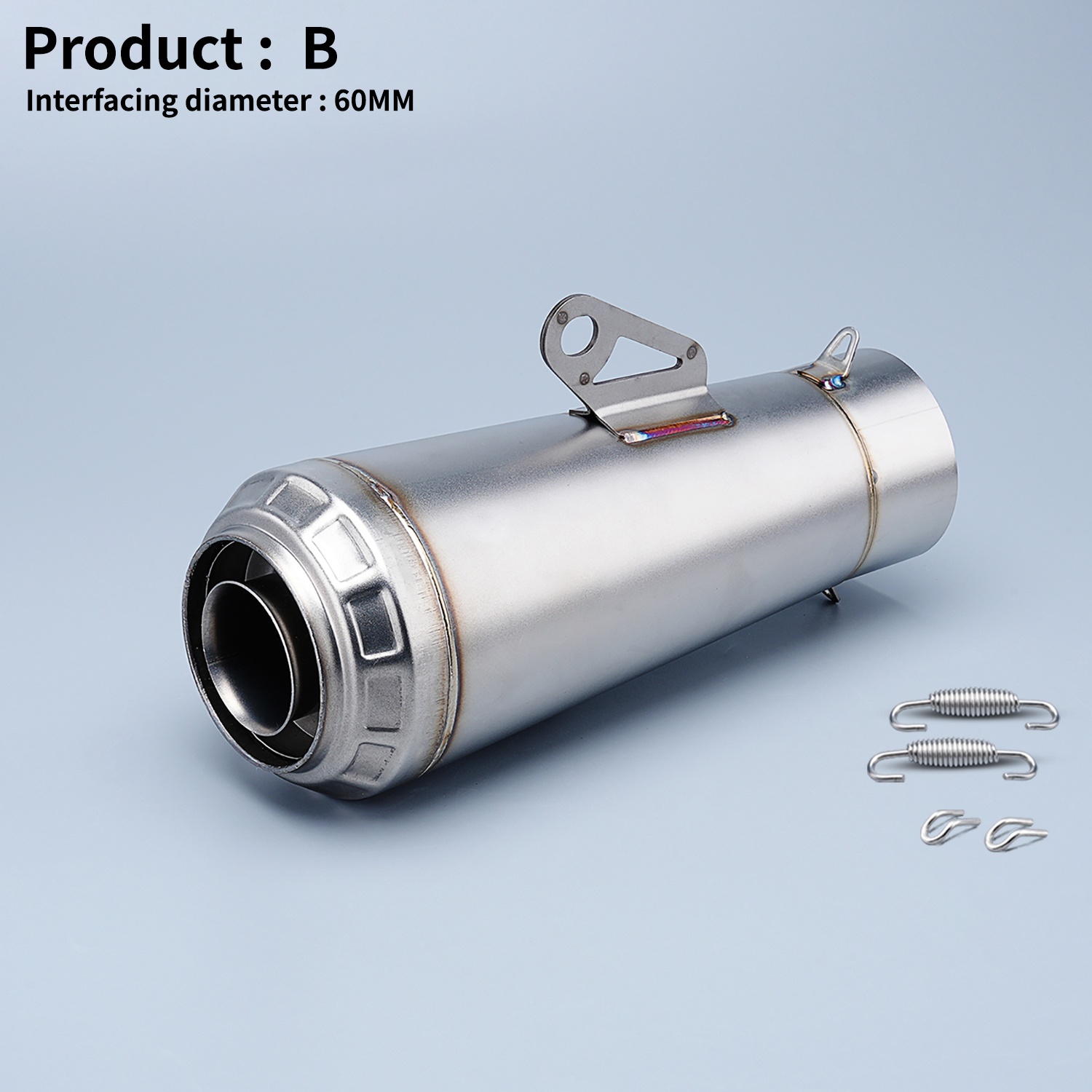
Jilang Motorcycle Exhaust Systems: enhancing Sound and Power
When selecting a manufacturer, it is essential to choose a brand that understands the science of airflow and acoustics. Jilang Motorcycle Exhaust Systems specializes in high-performance aftermarket solutions designed to enhance sound, style, and power.
Focusing on racing applications and optimized riding experiences, Jilang engineers full exhaust systems that optimize gas flow. This engineering results in tangible increases in horsepower and torque. Perhaps most importantly for the enthusiast, Jilang systems are known for their sound transformation. They replace the often wheezy sound of a stock exhaust with a deeper, more aggressive tone that announces your presence on the road.
Whether you ride a Ninja 250, a Z300, or a high-powered ZX10R, Jilang offers specialized components, including the popular 60mm modified motorcycle exhaust system, to suit your specific machine.
Frequently Asked Questions
What is the difference between a slip-on muffler and a full exhaust system?
A slip-on muffler replaces only the factory muffler canister. It attaches to the existing stock mid-pipe and headers. It is generally cheaper and easier to install, offering improvements in sound and looks with modest performance gains. A full exhaust system replaces everything from the engine block back to the tailpipe. This offers the most significant weight reduction and power gains but requires more labor to install and is generally more expensive.
Will a steel exhaust muffler rust?
While standard mild steel can rust, high-quality stainless steel mufflers are highly resistant to corrosion. However, they may develop a golden or blueish heat discoloration over time, which many riders consider a badge of honor or "patina." Regular cleaning can help maintain the finish.
Do I need to re-tune my motorcycle after installing a new muffler?
If you are only installing a slip-on motorcycle muffler, you typically do not need to re-tune the engine's fuel mapping, as the airflow change is minimal. However, if you install a full 60mm modified motorcycle exhaust system, the airflow changes are significant. In this case, re-tuning (re-jetting carburetors or re-mapping the ECU) is highly recommended to prevent the engine from running too lean and to maximize the performance benefits of the new exhaust.
How does the sound of a steel muffler compare to carbon fiber?
Steel mufflers tends to produce a sharp, metallic, and resonant sound. Carbon fiber mufflers, due to the material's density, often produce a slightly duller, deeper thud. However, the internal design of the baffle and packing material plays a larger role in the final sound than the outer shell material alone.
Comparing Exhaust Materials
To help you decide if steel is right for you, here is a quick comparison of common exhaust materials:
Feature | Stainless Steel | Titanium | Carbon Fiber |
Weight | Moderate | Very Light | Extremely Light |
Durability | High (Impact Resistant) | High | Low (Can crack on impact) |
Heat Dissipation | Good | Excellent | Poor (Stays cool to touch) |
Cost | Low to Medium | High | High |
Sound | Resonant/Metallic | Raspy/Metallic | Deep/Muted |
Conclusion
Upgrading to a steel exhaust muffler is one of the most rewarding modifications you can make to your motorcycle. It offers a perfect blend of durability, performance enhancement, and that signature aggressive sound that turns heads.
Whether you are looking for a simple slip-on to improve your daily commute or a complete 60mm modified motorcycle exhaust system for track days, understanding the benefits of high-quality steel components ensures you make an informed decision.
Ready to transform your ride? Explore the wide range of professional-grade exhaust solutions at Jilang Motorcycle Exhaust Systems and experience the difference that precision engineering can make.
Steel Exhaust Muffler
60mm Modified Motorcycle Exhaust System
Motorcycle Muffler

 English
 العربية
 Français
 Русский
 Español
 Português
 Deutsch
 italiano
 日本語
日本語 한국어
한국어 Nederlands
 Tiếng Việt
 ไทย
ไทย Polski
 Türkçe
 አማርኛ
አማርኛ ພາສາລາວ
 ភាសាខ្មែរ
 Bahasa Melayu
 ဗမာစာ
ဗမာစာ தமிழ்
தமிழ் Filipino
 Bahasa Indonesia
 magyar
 Română
 Čeština
 Монгол
 қазақ
қазақ Српски
 हिन्दी
 Slovenčina
 Norsk
Norsk Svenska
 українська
 Ελληνικά
 Suomi
Suomi עברית
עברית Latine
 Dansk
Dansk বাংলা
বাংলা Hrvatski
 Afrikaans
 Gaeilge
 Māori
Māori नेपाली
 Oʻzbekcha
 Беларуская мова
 ʻŌlelo Hawaiʻi
 íslenska
 Kinyarwanda


