You are here:Home / News / How to Clean Titanium Exhaust Without Ruining Its Finish
How to Clean Titanium Exhaust Without Ruining Its Finish
Views: 0 Author: Site Editor Publish Time: 2026-10-07 Origin: Site
Clean titanium exhaust systems with warm water, a mild degreaser, and a microfiber cloth, always wiping in the direction of the metal's grain. Avoid steel wool, abrasive pads, and chlorine-based cleaners, as these can scratch the surface or trigger discoloration. Let the pipe cool completely before cleaning, and apply a heat-resistant ceramic coating afterward to slow down future bluing.
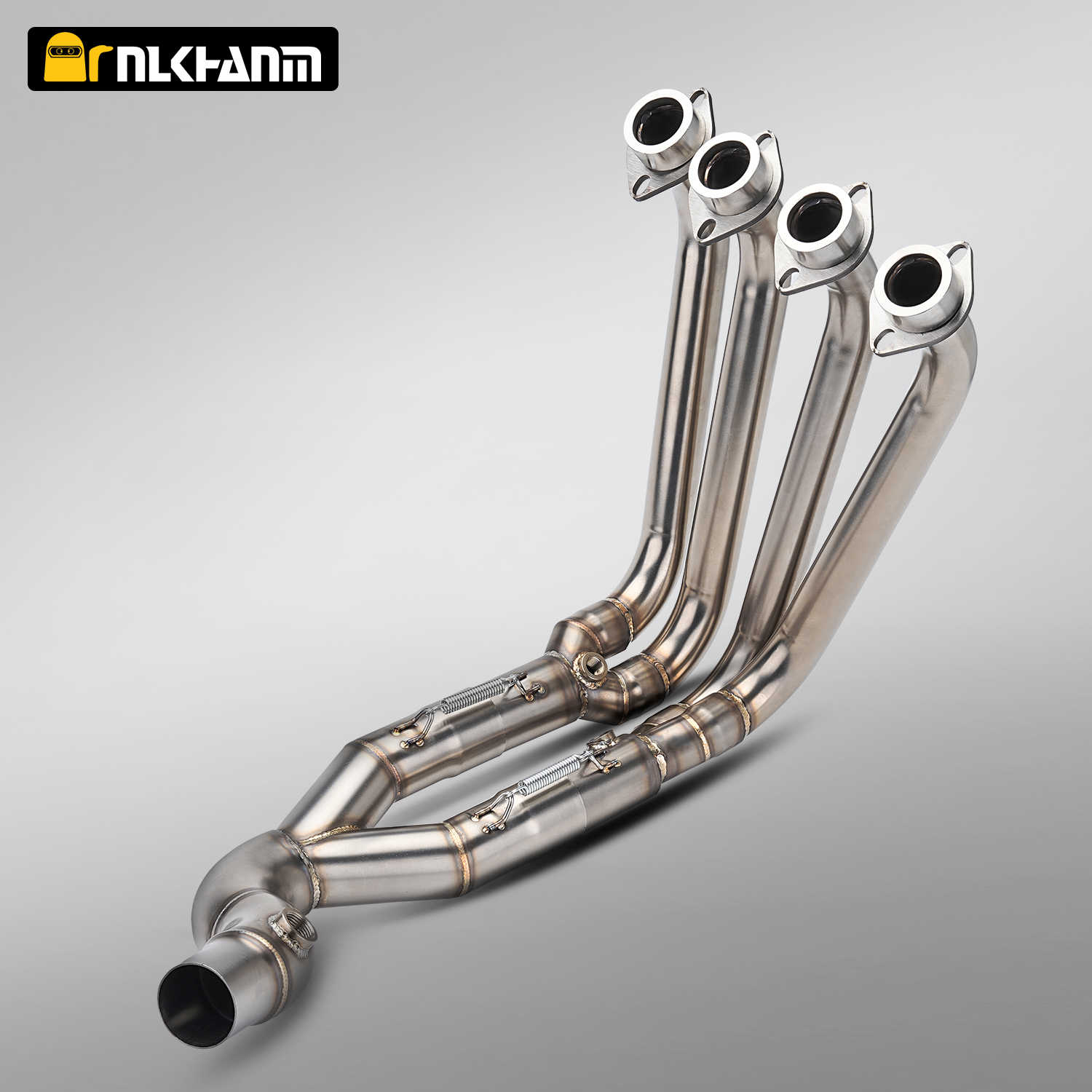
Titanium exhaust systemshave become the go-to upgrade for riders who want serious weight savings without sacrificing strength. They're lighter than stainless steel, resistant to corrosion, and capable of handling extreme heat. But that signature rainbow-tinted finish many riders love is also the reason titanium pipe exhaust needs a different cleaning approach than standard steel systems.
Get it wrong, and you could strip the natural oxide layer, scratch the surface, or make discoloration worse instead of better. Get it right, and your exhaust for motorcycles will stay looking showroom-fresh for years.
This guide walks through exactly how to clean a titanium exhaust pipe, what to avoid, and how to keep that finish protected long after the cleaning is done.
Why does titanium exhaust discolor in the first place?
Titanium reacts to heat by forming a thin oxide layer on its surface. As temperatures rise during riding, this layer shifts color, producing the blue, purple, and gold hues riders either love or want to minimize. This process, often called "bluing," isn't rust or damage. It's a natural chemical reaction, and it happens to nearly every titanium exhaust pipe eventually.
The trade-off is that titanium handles this heat exposure far better than mild steel, which is one reason motorcycle exhaust manufacturers increasingly favor titanium for performance-focused systems. Still, dirt, road grime, and oil residue sitting on top of that oxide layer can dull the finish and, over time, make discoloration look patchy rather than even.
What do you need before cleaning a titanium exhaust pipe?
Before touching the pipe, gather the right supplies. Using the wrong materials is the fastest way to damage titanium's surface permanently.
Item
Purpose
Notes
Microfiber cloths
Wiping and buffing
Avoid paper towels; they can leave scratches
Mild dish soap or dedicated metal cleaner
Removing grime and oil
Skip anything with chlorine or ammonia
Warm water
Rinsing
Never use cold water on a hot pipe
Soft-bristle brush
Cleaning welds and crevices
Use an old toothbrush for tight spots
Isopropyl alcohol
Removing stubborn residue
Apply sparingly with a cloth
Heat-resistant ceramic spray or titanium polish
Post-clean protection
Optional, but extends the finish's life
Stay away from steel wool, wire brushes, and abrasive scouring pads. These tools are common for cleaning exhaust pipes for motorcycle systems made of steel, but they'll strip titanium's protective oxide layer almost instantly.
How do you clean a titanium exhaust step by step?
Step 1: Let the exhaust cool completely
Never clean a hot pipe. Sudden temperature changes from water or cleaner can warp the metal or cause uneven discoloration. Wait at least an hour after riding before starting.
Step 2: Rinse off loose debris
Use warm water to rinse away dust, bugs, and road grime. This prevents you from grinding dirt into the surface once you start wiping.
Step 3: Apply a mild cleaner
Mix a small amount of dish soap with warm water, or use a cleaner formulated specifically for titanium or motorcycle pipe exhaust surfaces. Apply it with a microfiber cloth, working in the direction of the brushed grain if your pipe has one.
Step 4: Scrub stubborn spots carefully
For baked-on grime near welds or joints, use a soft-bristle brush. Avoid circular scrubbing motions, which can create swirl marks that are especially visible on polished titanium.
Step 5: Rinse and dry thoroughly
Rinse the cleaner off with warm water, then dry immediately with a clean microfiber cloth. Leaving moisture on the surface can lead to water spots or streaking.
Step 6: Polish if needed
If you want to reduce the appearance of bluing, a titanium-specific polish can help even out the finish. Apply in small sections and buff gently. Keep in mind that aggressive polishing won't remove deep discoloration caused by extreme heat, only surface-level dullness.
Step 7: Protect the surface
Once clean and dry, apply a heat-resistant ceramic coating or titanium sealant. This creates a barrier that slows future oxidation and makes the next cleaning session easier.
What should you avoid when cleaning titanium exhaust systems?
A few habits can do permanent damage to titanium exhaust systems:
Abrasive pads or steel wool: These scratch the surface and strip the oxide layer.
Chlorine-based or ammonia-based cleaners: These accelerate corrosion and can cause pitting.
Cold water on a hot pipe: Thermal shock can warp the metal or deepen discoloration unevenly.
Circular scrubbing motions: These create visible swirl marks, especially on brushed or polished finishes.
Harsh wheel or bike cleaners: Many contain chemicals designed for painted surfaces, not bare metal.
Choose a cleaner formulated for titanium or stainless steel if you're unsure whether a product is safe. Reputable motorcycle exhaust pipe manufacturers often recommend specific cleaning products that match the alloy and finish of their pipes, so checking the included documentation is worth the extra minute.
How often should you clean a titanium exhaust pipe?
For riders who commute daily or ride in wet, salty, or dusty conditions, a wipe-down every one to two weeks keeps grime from building up. Riders who use their bikes less frequently can clean every month or after any particularly dirty ride. Regular, light maintenance is always easier than trying to remove months of baked-on residue in one session.
Final thoughts on keeping titanium exhaust looking its best
Cleaning a titanium exhaust pipe isn't complicated, but it does require more care than scrubbing a standard steel system. Stick to mild cleaners, soft cloths, and gentle motions, and avoid anything abrasive or chemically harsh. With consistent care, titanium exhaust systems hold their performance edge and visual appeal for years, whether you're running a slip-on muffler or a full system from one of today's leading motorcycle exhaust manufacturers.
If you're shopping for a new titanium system or replacement pipe exhaust motorcycle components, look for manufacturers who specify finish type and provide cleaning guidance upfront. That small detail often signals a company that understands titanium's quirks and builds products designed to handle them.
Frequently Asked Questions
Does cleaning remove the blue or purple discoloration on titanium exhaust? Light polishing can reduce surface dullness and even out some discoloration, but it won't fully remove deep bluing caused by extreme heat. The color change is a natural result of the oxide layer reacting to temperature, not dirt sitting on the surface.
Can I use car wash soap on a titanium exhaust pipe? Mild, non-abrasive car wash soap is generally safe, but avoid formulas containing wax, ammonia, or strong degreasers, as these can affect the oxide layer's appearance over time.
Is it safe to clean titanium exhaust pipes with a pressure washer? Low-pressure rinsing is fine for removing loose debris, but high-pressure settings can force water into seams, joints, or packing material inside the muffler, so keep the nozzle at a safe distance and avoid direct blasts at close range.
How do I prevent titanium exhaust from discoloring in the first place? You can't fully prevent discoloration since it's a natural heat reaction, but applying a heat-resistant ceramic coating can slow the process and keep the finish looking more uniform for longer.
What's the difference between cleaning titanium and stainless steel exhaust pipes? Stainless steel tolerates more aggressive cleaning tools and chemicals, while titanium requires gentler products and techniques to avoid damaging its thinner, more reactive oxide layer.

 English
 العربية
 Français
 Русский
 Español
 Português
 Deutsch
 italiano
 日本語
日本語 한국어
한국어 Nederlands
 Tiếng Việt
 ไทย
ไทย Polski
 Türkçe
 አማርኛ
አማርኛ ພາສາລາວ
 ភាសាខ្មែរ
 Bahasa Melayu
 ဗမာစာ
ဗမာစာ தமிழ்
தமிழ் Filipino
 Bahasa Indonesia
 magyar
 Română
 Čeština
 Монгол
 қазақ
қазақ Српски
 हिन्दी
 Slovenčina
 Norsk
Norsk Svenska
 українська
 Ελληνικά
 Suomi
Suomi עברית
עברית Latine
 Dansk
Dansk বাংলা
বাংলা Hrvatski
 Afrikaans
 Gaeilge
 Māori
Māori नेपाली
 Oʻzbekcha
 Беларуская мова
 ʻŌlelo Hawaiʻi
 íslenska
 Kinyarwanda